
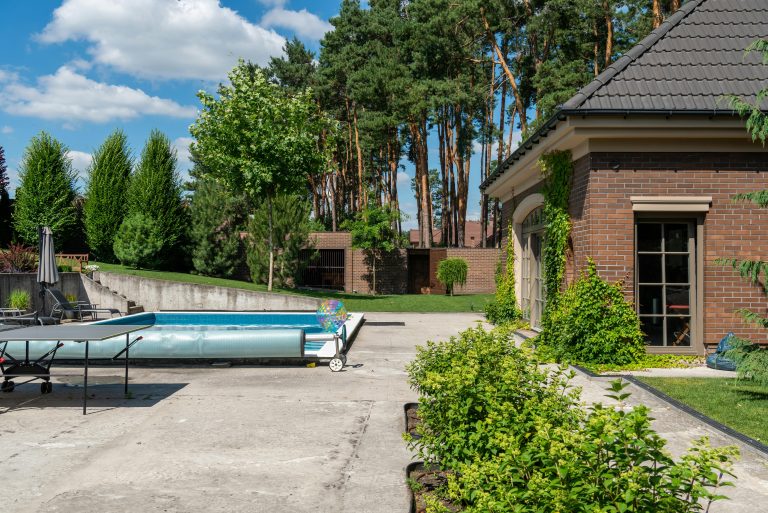
Concrete is tough, but over time, it can stain, crack, and wear down.
If you want to keep your concrete looking great and lasting longer, applying a concrete floor sealer is a must.
Whether you’re sealing a garage, basement, driveway, or patio, choosing the right product can make all the difference.
This guide covers the best types of concrete sealers, how to apply them, and why professional sealing in Southeastern PA can save you time and hassle.
GET EXPERT CONCRETE FLOOR SEALING
Why Should You Seal a Concrete Floor?
Concrete is naturally porous, meaning water, oil, and dirt can soak in and cause stains, cracks, and even the need for mold removal.
A good concrete sealer protects against these problems and keeps your floors looking their best.
Here’s why sealing your concrete in Southeastern PA is a smart move:
- Prevents stains and moisture damage – Keeps water, oil, and chemicals from penetrating the surface.
- Increases durability – Reduces wear and tear from foot traffic, vehicles, and weather.
- Improves appearance – Can give concrete a matte, satin, or glossy finish.
- Concrete sealing makes cleaning easier – Dirt and spills wipe up quickly instead of soaking in.
- Enhances safety – Some sealers add traction, reducing the risk of slips.
Choosing the Right Concrete Floor Sealer
There’s no one-size-fits-all sealer.
The best choice depends on where your concrete is located and what kind of protection you need.
1. Penetrating Concrete Floor Sealers
These soak into the concrete and form an invisible barrier that repels water and stains.
They don’t change the look of the concrete but provide strong, long-lasting protection.
- Best for: Driveways, patios, pool decks, basements, and other outdoor areas.
- Pros: Doesn’t change appearance, lasts longer, resists moisture and salt damage.
- Cons: Won’t enhance color or create a glossy finish.
2. Film-Forming Concrete Sealers
These create a protective layer on the surface, offering both protection and a polished look.
Acrylic Sealers
- Best for: Indoor floors, decorative concrete, stamped concrete.
- Pros: Fast-drying, enhances color, protects against UV rays.
- Cons: Wears down faster than epoxy or polyurethane.
Epoxy Sealers
- Best for: Garage floors, basements, commercial spaces.
- Pros: Creates a thick, durable surface that resists stains and chemicals.
- Cons: Can be slippery unless mixed with non-slip additives.
Polyurethane Sealers
- Best for: High-traffic areas, decorative concrete, countertops.
- Pros: More scratch-resistant and flexible than epoxy.
- Cons: Can be tricky to apply and may require professional help.
3. Water-Based vs. Solvent-Based Sealers
- Water-based sealers are eco-friendly and have low VOCs. They dry to a matte or satin finish.
- Solvent-based sealers provide a deeper shine and stronger protection but contain more VOCs.
SEE WHICH OPTION IS BEST FOR YOU
How to Apply a Concrete Floor Sealer
Let’s take a look at the processes of applying concrete floor sealer in Southeastern PA:
Step 1: Clean the Surface
Dirt, oil, and grease will keep the sealer from sticking.
Sweep, pressure wash, and remove any stains before you start.
If your concrete has cracks, fill them in and let them dry completely.
Step 2: Pick the Right Application Tool
- Rollers work best for thick sealers like epoxy or polyurethane.
- Sprayers are great for thin sealers like acrylic or penetrating sealers.
Step 3: Apply the Sealer Evenly
Work in small sections and avoid puddles or streaks.
Most sealers need two thin coats rather than one thick coat.
Step 4: Let It Dry
- Light foot traffic: 24 hours
- Heavy use (cars, furniture, etc.): 72 hours
- Full cure time: 7 days
Common Mistakes to Avoid
- Applying sealer when the concrete is still wet
- Using too much product, which leads to peeling
- Sealing in extreme heat or humidity
Maintaining a Sealed Concrete Floor
Sealed floor maintenance is easier to keep up with, but regular upkeep helps extend its lifespan.
- Sweep or mop often to prevent dirt buildup.
- Use mild, pH-neutral cleaners to avoid damaging the sealer.
- Reseal every 2–5 years based on wear and tear.
If water soaks into the surface instead of beading up, it’s time to reseal.
Professional vs. DIY Concrete Sealing
Sealing concrete yourself is possible, but a professional application lasts longer and looks better.
Why Hire Clean My Pavers for Concrete Sealing?
Clean My Pavers in Southeastern PA specializes in high-quality concrete sealing services for homes and businesses.
Here’s why our customers love our work:
- Expert application – No streaks, bubbles, or peeling.
- Durable protection – High-quality sealers last years longer than DIY products.
- Time-saving convenience – No mess, no stress—just long-lasting results.
- Customized solutions – Whether you need penetrating, acrylic, or epoxy sealers, we tailor our service to your needs.
If you want professional-grade protection, Clean My Pavers in Southeastern PA has you covered.
Conclusion: Concrete Floor Sealer
Sealing your concrete protects against damage, stains, and wear while improving its look and lifespan.
Whether you choose a penetrating, acrylic, or epoxy sealer, keeping up with maintenance ensures your concrete stays in top shape.
If you want a long-lasting, professional finish, Clean My Pavers offers expert concrete sealing services in Southeastern PA to save you time and effort.
Get in touch today and keep your concrete looking its best for years to come.
FAQs: Concrete Floor Sealer
What is the best sealant for concrete floors?
The best concrete floor sealer depends on your needs. For high-traffic areas like garages, epoxy or polyurethane sealers offer excellent durability and stain resistance. For outdoor surfaces like driveways or patios, penetrating sealers protect against moisture without changing the appearance. Acrylic sealers work well for decorative concrete, enhancing color while providing UV protection.
Should a concrete floor be sealed?
Yes, sealing a concrete floor is highly recommended. It prevents moisture absorption, protects against stains, and increases durability. Sealing also makes cleaning easier and extends the life of the concrete, whether it’s indoors or outdoors. Without a sealer, concrete can absorb water, leading to cracks, discoloration, and mold growth.
What is the downside of sealing concrete?
While sealing offers many benefits, there are some downsides. Some film-forming sealers, like acrylic or epoxy, can make surfaces slippery unless a non-slip additive is used. Sealers also require reapplication every few years, depending on wear and tear. If applied incorrectly, some sealers may cause peeling or bubbling. Additionally, solvent-based sealers can release strong fumes and require proper ventilation during application.
Can you put concrete sealer on old concrete?
Yes, you can apply concrete sealer to old concrete, but proper preparation is crucial. The surface must be thoroughly cleaned to remove dirt, grease, or old coatings. If an existing sealer is present, you may need to strip it before applying a new one. Penetrating sealers work best on aged concrete, while film-forming sealers can refresh the look of old surfaces when applied correctly.
What is the lifespan of concrete sealer?
The lifespan of a concrete sealer depends on the type and the level of wear it experiences. Penetrating sealers typically last five to ten years, while acrylic sealers may need reapplication every one to three years. Epoxy and polyurethane sealers last three to five years but can last longer with proper maintenance. High-traffic areas or outdoor surfaces exposed to harsh weather conditions may require more frequent resealing.
How do you permanently seal concrete?
No sealer is truly permanent, but some options provide long-term protection. Silicate-based penetrating sealers chemically react with concrete to form a hardened surface that lasts for decades. However, these do not offer stain resistance. Epoxy and polyurethane coatings provide a tough, long-lasting protective layer, but they may eventually wear down and need reapplication. Properly maintaining sealed concrete by cleaning it regularly and avoiding harsh chemicals can extend the lifespan of any sealer.