
Sealing your pavers isn’t just about looks—it’s about long-term protection.
A good sealer helps prevent stains, fading, weed growth, and erosion.
But one question we hear all the time is: how often should you seal pavers in Southeastern, PA?
Let’s walk through the answer and help you keep your outdoor surfaces in top shape for years to come.
How Often Should You Seal Pavers?
In general, you should seal your pavers every 3 to 5 years.
However, that timeline can vary depending on several factors:
- Weather conditions: Areas with heavy rain, snow, or strong sun may require more frequent resealing
- Type of traffic: Driveways and high-traffic patios wear out faster than walkways
- Paver material: Porous materials absorb sealer differently
- Previous sealant: The type and quality of your last sealer matter
Here’s a quick breakdown of typical resealing timelines:
| Surface Type | Recommended Sealing Frequency |
| Driveways | Every 2–3 years |
| Patios/Walkways | Every 3–4 years |
| Pool Decks | Every 2–3 years |
| Low-Traffic Areas | Every 4–5 years |
If you’re not sure when your pavers were last sealed—or if they’ve ever been sealed—we’ll help you figure it out during your consultation.
Signs Your Pavers Need to Be Resealed
Sometimes you don’t need a calendar to tell you—it’s the visual cues that matter most.
Here are signs it’s time to reseal:
- The color looks faded or washed out
- Water no longer beads on the surface
- Oil, rust, or organic stains are harder to remove
- Sand between joints is eroding or weeds are growing through
- You’re starting to notice mildew or algae buildup
When you see one or more of these, it’s likely time for a fresh coat.
Why Skipping Sealing Can Cost You Later
If you wait too long to reseal, the damage adds up.
Here’s what happens when pavers go unprotected:
- UV rays fade the color and weaken the surface
- Rain and moisture lead to mildew and mold
- Dirt and grime absorb into the pores, making cleaning harder
- Weeds and insects take root in unsealed joints
Instead of replacing damaged pavers down the road, sealing helps you protect your investment today.
Is It Possible to Seal Pavers Too Often?
Yes—and overdoing it can actually cause issues.
Sealing too frequently or applying too much product can lead to:
- Slippery surfaces
- White hazing or discoloration
- Peeling or flaking
That’s why professional sealing makes a difference.
At Clean My Pavers, we space applications correctly and use the right amount of product—no more, no less.
Clean First, Seal Second: Why Prep Work Matters
Before we reseal any paver surface, we professionally clean it first.
That means removing:
- Dirt and grime buildup
- Algae or moss growth
- Oil, food, or rust stains
- Weeds and joint debris
This step is essential for proper adhesion and appearance.
A clean surface allows the sealer to bond fully with the pavers and keeps them looking their best.
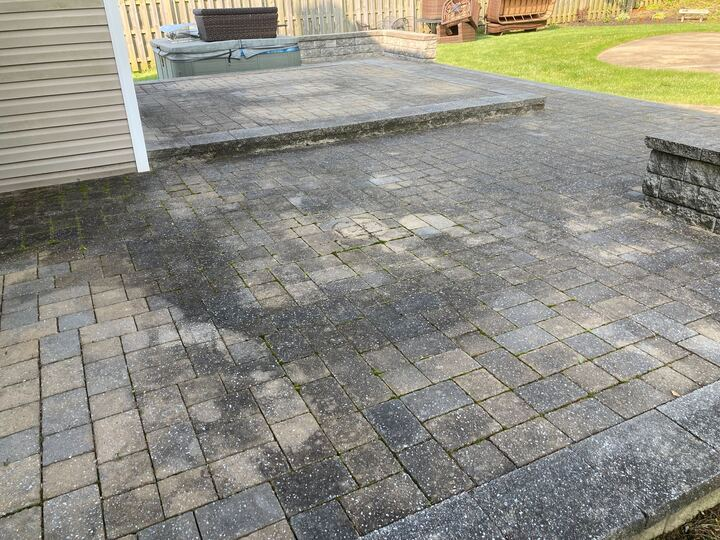
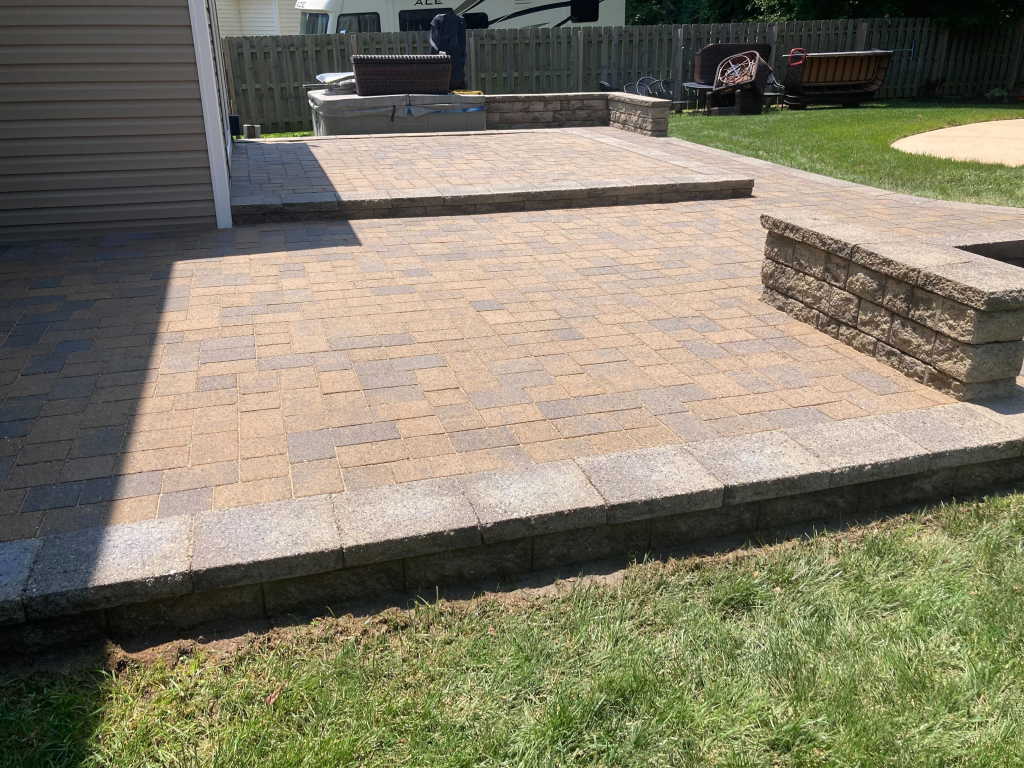
Here’s a before an after of one of our paver cleaning services that ensure your sealing is done right the first time:
How Clean My Pavers Helps You Stay On Schedule
Our expert team makes paver resealing in Southeastern, PA easy.
Whether it’s been a few years since your last treatment or you’re not sure when it was done, we’ll:
- Inspect your pavers to see if it’s time
- Clean them thoroughly using paver-safe products
- Apply a high-quality sealer suited to your material and climate
- Help you plan future maintenance so you don’t fall behind again
You don’t have to figure this out on your own.
We’re here to help—and your pavers will thank you for it.
Tips to Help Your Sealer Last Longer
Want to stretch the time between reseals?
Here are a few easy ways to protect your pavers:
- Rinse off debris regularly with a hose or blower
- Avoid harsh cleaners or bleach-based solutions
- Keep an eye on joint sand levels and refill when needed
- Reapply a light cleaner every few months to prevent buildup
Final Thoughts: How Often To Reseal Pavers
So, how often should pavers be sealed in Southeastern, PA?
Every 3–5 years is a good rule of thumb, but the best indicator is how your pavers look and feel.
If they’re dull, stained, or losing joint sand, it’s time.
Clean My Pavers makes resealing easy with expert care, premium products, and proven results.
Whether your surface needs a full refresh or just a routine checkup, we’re here to make it last.
Ready to bring your pavers back to life?
Contact us now to schedule your paver sealing service.
FAQs: How Often To Reseal Pavers?
How do you seal pavers?
Sealing pavers involves cleaning the surface thoroughly, allowing it to dry completely, then applying a high-quality paver sealer using a sprayer or roller. The sealer is applied evenly across the surface and allowed to cure for 24–48 hours depending on the product used and weather conditions.
What happens if you don’t seal pavers?
If you don’t seal pavers, they can fade, stain easily, and allow weed growth between the joints. Over time, moisture, UV rays, and foot or vehicle traffic can cause long-term damage that’s expensive to repair.
Is it better to spray or roll paver sealer?
Both spraying and rolling can be effective, but spraying is often faster and provides more even coverage. Rolling works well for small areas or when a thicker coat is needed. Professionals often use a combination of both depending on the surface and sealer type.
How many coats of sealer do pavers need?
Most paver sealing jobs require two coats for optimal protection, especially for porous or older surfaces. However, a single coat may be sufficient for newly installed or previously sealed pavers in good condition.
How long does paver sealing last?
Paver sealing typically lasts between 3 to 5 years depending on the type of sealer, traffic, and exposure to elements. High-traffic or weather-exposed areas may need resealing sooner.
How do you restore pavers?
Restoring pavers starts with deep cleaning to remove dirt, mold, and stains. Damaged or sunken pavers can be leveled or replaced, and new joint sand is added if needed. After cleaning and repairs, sealing the surface brings back color, protects against damage, and makes maintenance easier.