
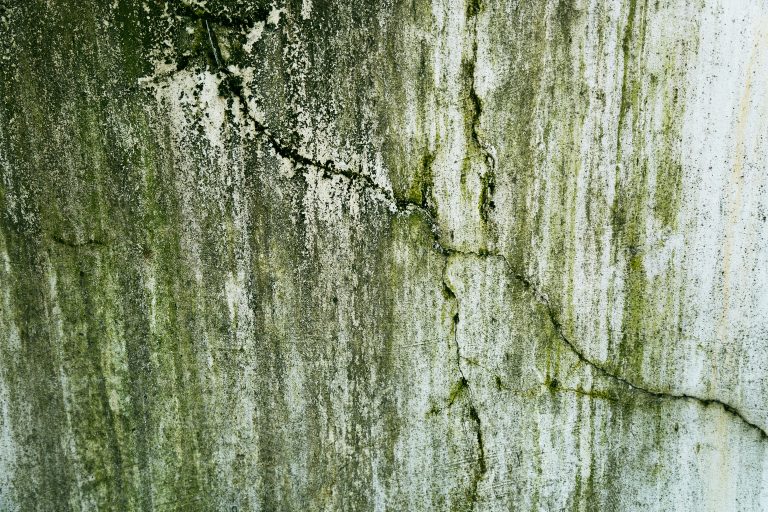
Mold on concrete isn’t just ugly—it can also be a slip hazard and a sign of moisture issues.
Whether it’s on your driveway, patio, or walkway, mold can spread fast, especially in damp, shaded areas.
The good news is that removing mold from concrete isn’t hard if you use the right techniques.
This guide walks you through the best ways to clean mold off concrete in Southeastern PA and keep it from coming back.
If you’re dealing with a stubborn mold problem, we can help.
At Clean My Pavers, we provide professional mold removal and prevention for concrete surfaces.
Our mold removal services ensure long-lasting results so you don’t have to keep scrubbing year after year.
GET MOLD REMOVED FROM YOUR CONCRETE
Why Does Mold Grow on Concrete?
Concrete is porous, which means it absorbs water.
If a surface stays damp for too long, mold and mildew can grow.
It’s most common in areas that don’t get much sunlight, have poor drainage, or are regularly exposed to moisture.
Common Causes of Mold on Concrete
- Too much moisture from rain, humidity, or sprinklers
- Areas with little to no sunlight
- Standing water due to poor drainage
- Leaves, dirt, and debris trapping moisture on the surface
Mold won’t go away on its own, and simply scrubbing the surface isn’t always enough.
The key to long-term mold removal is cleaning the right way and taking steps to prevent it from coming back.
Best Ways to Remove Mold From Concrete
Before getting started, put on gloves, a mask, and eye protection.
Mold spores can cause irritation, and some cleaning solutions, like bleach, require extra caution.
1. Natural Mold Removal Methods
For light mold growth, natural solutions like vinegar, baking soda, and hydrogen peroxide work well.
Vinegar & Baking Soda
- Mix equal parts white vinegar and water in a spray bottle.
- Spray the moldy area and let it sit for 30 minutes.
- Sprinkle baking soda on the surface and scrub with a stiff brush.
- Rinse thoroughly with water.
Hydrogen Peroxide
- Use 3% hydrogen peroxide and pour it directly on the mold.
- Let it sit for 10 to 15 minutes.
- Scrub with a brush and rinse with water.
2. Using Bleach or Commercial Mold Cleaners
For tougher mold stains, stronger chemicals may be needed.
Bleach Solution
- Mix one part bleach with three parts water.
- Apply with a scrub brush or spray bottle.
- Let it sit for 10 minutes, then scrub and rinse.
- Be careful around grass and plants—bleach can kill them.
Commercial Mold Cleaners
- Look for mold and mildew removers designed for concrete.
- Apply according to the instructions.
- Scrub and rinse thoroughly.
3. Pressure Washing for Large Areas
If mold covers a driveway, patio, or sidewalk, pressure washing is the fastest way to clean it.
- Use a mold-fighting detergent in your pressure washer.
- Set the pressure between 2000–3000 PSI to avoid damaging the concrete.
- Rinse well and let the surface dry completely.
4. Scrubbing with Detergents
For small areas, scrubbing with a mild detergent can get the job done.
- Use liquid dish soap or an all-purpose cleaner.
- Apply to the surface and scrub with a stiff brush.
- Rinse with clean water and let dry.
How to Prevent Mold From Coming Back
Once you’ve cleaned the mold, you don’t want to deal with it again.
Here’s how to stop it from coming back.
1. Improve Drainage and Reduce Moisture
- Fix gutters and downspouts so water flows away from concrete.
- Keep sprinklers from spraying concrete surfaces.
- Move potted plants off concrete to avoid trapped moisture.
2. Seal Your Concrete
Sealing concrete makes it water-resistant, which helps prevent mold growth.
- Use a penetrating concrete sealer designed for outdoor surfaces.
- Apply every 1–2 years for the best results.
3. Regular Maintenance
- Sweep and clean concrete at least twice a year.
- Trim back trees or bushes to let in more sunlight.
- Regular maintenance includes a pressure wash once a year to prevent buildup.
When to Call a Professional – How We Can Help
If mold keeps coming back or covers a large area, it’s time to bring in the professionals.
At Clean My Pavers, we specialize in mold removal and prevention in Southeastern PA for concrete surfaces.
Our Services Include:
- Deep power washing to remove mold, mildew, and algae
- Eco-friendly concrete cleaning solutions that won’t harm your landscaping
- Professional-grade concrete sealers to prevent future mold growth
- Expert recommendations on keeping your concrete mold-free
We don’t just clean mold—we help prevent it from returning so you don’t have to deal with it again.
Learn more about our mold removal services or request a free estimate today.
Conclusion: How to Remove Mold from Concrete
Mold on concrete is frustrating, but it doesn’t have to be a recurring problem.
With the right cleaning techniques and preventive measures, you can keep your concrete surfaces clean and safe.
For a long-term solution, let Clean My Pavers in Southeastern PA handle it for you.
Our professional mold removal and prevention services in Southeastern PA ensure your concrete stays mold-free for years to come.
Schedule a free estimate today!
FAQs: How To Remove Mold From Concrete
How do you remove mold from concrete permanently?
To remove mold from concrete permanently, you need to eliminate both the mold and the conditions that allow it to grow. First, clean the surface using vinegar, hydrogen peroxide, or a bleach solution. For stubborn mold, pressure washing with a mold-killing detergent can help. Once the concrete is clean and dry, apply a penetrating concrete sealer to prevent moisture from seeping in. Improving drainage and reducing moisture in the area will also help prevent mold from returning.
Is bleach or vinegar better to kill mold on concrete?
Vinegar is a safer, eco-friendly option that kills about 80% of mold species and helps prevent regrowth. It penetrates concrete better than bleach and doesn’t release harmful fumes. However, bleach is more powerful for killing surface mold quickly. The downside is that bleach doesn’t prevent future mold growth and can damage surrounding plants. If you want long-term prevention, vinegar is the better choice, but for tough stains, a bleach solution can be used sparingly.
Does mold stay on concrete?
Mold spores can remain on concrete even after cleaning, especially if moisture problems persist. If the surface isn’t thoroughly dried and sealed after cleaning, mold can return. Proper sealing, routine maintenance, and reducing moisture exposure are key to keeping mold off concrete permanently.
How long does it take vinegar to kill mold on concrete?
Vinegar takes about 30 minutes to one hour to kill mold on concrete. For best results, spray undiluted white vinegar on the affected area and let it sit before scrubbing. If the mold is severe, you may need to repeat the process or use a more aggressive cleaning method like hydrogen peroxide or bleach.
Does bleach damage concrete?
Bleach doesn’t damage concrete itself, but it can weaken sealants and cause discoloration over time. It can also be harmful to plants, grass, and surrounding surfaces if not used carefully. If using bleach, always dilute it with water (one part bleach to three parts water) and rinse thoroughly after cleaning. For a safer alternative that won’t degrade your concrete, consider vinegar or hydrogen peroxide.