
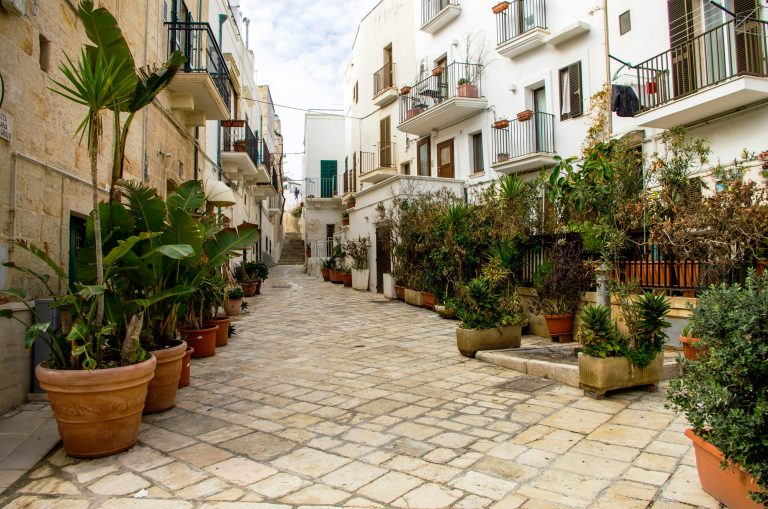
If you’re wondering how to remove stains from pavers, the truth is it depends on the type of stain and the kind of pavers you have.
Concrete, natural stone, and clay all react differently, and using the wrong cleaner can make things worse.
That’s why knowing the right method for oil, rust, efflorescence, or organic stains is the key to getting your patio, driveway, or walkway looking new again.
Why Paver Stains Happen
Pavers are durable but porous, which means they soak up oil, water, and minerals.
Cars leak fluids, patio furniture rusts, leaves and berries rot, and before you know it, you’ve got stains that don’t budge with just a rinse.
Fresh spills are easy to deal with, but older, set-in stains often need stronger methods or even professional paver cleaning.
How to Remove Different Types of Paver Stains
Let’s take a look at how you can remove different types of stains from pavers:
How to Remove Oil and Grease Stains from Pavers
Oil and grease are some of the toughest stains, especially on driveways.
For fresh spills, blot with paper towels or kitty litter.
For set-in stains, scrub with dish soap and warm water.
If that fails, use a degreaser made for concrete and pavers.
Avoid pouring harsh chemicals directly on the surface, as they can discolor your pavers.
How to Remove Rust Stains from Pavers
Rust stains come from patio furniture, tools, or even fertilizer.
The best cleaner for paver rust stains is a product designed for outdoor use, often containing oxalic acid.
Be careful with natural stone like limestone, which can etch from acidic cleaners.
Always test a small hidden area first.
How to Remove Efflorescence from Pavers
That white, powdery film is called efflorescence.
It happens when salts migrate to the surface.
A stiff brush and water will often remove it, but stubborn buildup may need an efflorescence cleaner.
Sealing your pavers after cleaning helps stop it from coming back.
How to Remove Organic Stains: Leaves, Berries, Algae, and Mildew
Organic stains are common in shady or damp areas.
Use oxygen bleach mixed with water and scrub with a stiff brush.
It’s safer than chlorine bleach, which can damage plants and discolor pavers.
For algae and mildew, a gentle pressure wash can help, but don’t hold the nozzle too close or you’ll etch the surface.
How to Remove Paint, Tar, or Sealant Stains
Scrape off as much paint or tar as possible, then apply a poultice or solvent safe for pavers.
Avoid strong paint strippers unless labeled for masonry.
Sometimes, deep paint stains require professional treatment.
How to Remove Salt, Fertilizer, and Hard Water Stains
De-icing salts, fertilizers, and hard water leave behind white or rust-like deposits.
For lighter stains, rinse with water and scrub with soap.
For tougher marks, use a specialty cleaner that targets mineral deposits.
How to Remove Animal Stains from Pavers
Bird droppings and pet urine are unsightly and smelly.
Use an enzymatic cleaner or an oxygen-based product to remove both the stain and the odor.
A light rinse afterward helps prevent repeat spots.
Step-by-Step Guide to Cleaning Paver Stains
Here are the steps you should take to clean stains off your pavers:
- Identify your stain type and paver material
- Test your cleaner in a small hidden area
- Gather supplies: gloves, brush, cleaner, hose or pressure washer
- Apply cleaner and scrub in circular motions
- Rinse thoroughly with clean water
- Repeat if necessary
- Call a professional for deep or stubborn stains
What Not to Do When Cleaning Pavers
Here’s what you should avoid when cleaning your pavers:
- Don’t mix chemicals like bleach and vinegar, they can create toxic fumes
- Don’t pressure wash too close; you’ll etch the paver surface
- Don’t seal over stains, or you’ll lock them in permanently
- Don’t use generic household cleaners that can strip color or damage natural stone
How to Prevent Stains on Pavers
The easiest way to keep pavers clean is to stop stains before they start.
Sealing creates a protective barrier that makes cleanup easier.
Sweep regularly so dirt and leaves don’t sit long enough to stain.
Rinse after storms to wash away minerals.
Use furniture pads to prevent rust marks, and clean up spills immediately.
DIY vs Professional Paver Stain Removal
DIY methods are fine for small or fresh stains.
But when stains are old, deep, or spread across a large area, a professional service saves time and prevents damage.
Clean My Pavers uses professional-grade cleaners and equipment to restore pavers, driveways, patios, and walkways.
Once cleaned, we also seal pavers so they resist future stains and are easier to maintain.
Final Thoughts: How to Remove Stains from Pavers
Stains don’t have to ruin the look of your pavers.
With the right approach, you can handle oil, rust, efflorescence, and organic stains safely and effectively.
The key is matching the cleaner to the stain and your paver type, then following up with sealing to protect your investment.
And if DIY isn’t cutting it, Clean My Pavers can restore your patio, driveway, or walkway with professional cleaning and sealing services.
Reach out today and let us bring your pavers back to life.
FAQs: How to Remove Stains from Pavers
How do you clean pavers?
Cleaning pavers usually starts with sweeping away debris, then scrubbing with a mix of mild soap and water. For tougher stains, use specialized cleaners or a pressure washer on a low setting.
Does baking soda remove oil stains from pavers?
Yes, baking soda can help absorb fresh oil stains from pavers. Sprinkle it over the spot, let it sit, and scrub with a brush before rinsing. For deep stains, a degreaser works better.
Can stains be removed from pavers?
Most stains can be removed if you use the right cleaner for the specific problem. Oil, rust, efflorescence, and organic stains all require different approaches, but very old stains may need professional cleaning.
How to clean discolored pavers?
Discolored pavers often benefit from a thorough wash with soap and water, followed by an efflorescence cleaner if you see white haze. Sealing afterward helps restore color and prevents future fading.
How long do pavers last?
Pavers can last 30 to 50 years when properly maintained. Regular cleaning, sealing, and quick stain removal all extend their lifespan and keep them looking good.
How long to leave baking soda on pavers?
For oil stains, baking soda should sit on the paver surface for 30 minutes to an hour before scrubbing. Letting it absorb longer increases its effectiveness.
How do I make my pavers look new again?
Deep cleaning, stain removal, and resealing are the best ways to restore pavers. A professional service can also fix uneven areas and bring back their original color.