
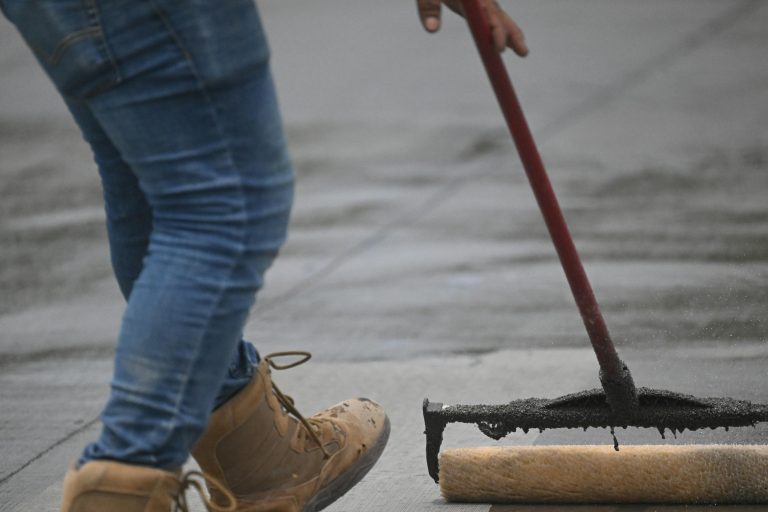
Sealing concrete is one of the best ways to protect your driveway, patio, or floor from damage over time.
If you’re wondering how to seal concrete the right way, you’re in the right place.
This guide walks you through everything you need to know, whether you’re sealing new concrete or refreshing an older surface.
GET YOUR CONCRETE SEALED THE RIGHT WAY
Why Sealing Concrete Matters
Concrete is strong, but it’s not invincible.
Over time, water, oil, chemicals, and even weather changes can cause cracks, stains, and surface damage.
A sealant for your concrete helps block moisture, prevent staining, protect against weather damage, and keep the surface looking good for years.
If you’re asking yourself, should I seal my concrete?
The answer is almost always yes, especially for outdoor areas like patios, sidewalks, and driveways.
What You’ll Need to Seal Concrete
Before you get started, make sure you have the right tools and materials:
- Concrete cleaner or degreaser
- Concrete sealer (water-based, solvent-based, or penetrating)
- Roller or garden sprayer
- Painter’s tape for edges
- Protective gloves and goggles
If you’re sealing a driveway or patio, choose tools that are rated for outdoor use.
Using the right roller or sprayer can make a big difference in how smooth and even the finish looks.
How to Prepare Your Concrete Before Sealing
Good preparation is the key to a lasting seal.
Here’s how to get your surface ready:
- Clean the Surface Completely: Remove dirt, stains, oil, and any old sealer. A stiff brush, power washer, and a quality concrete cleaner work best.
- Fix Any Cracks: Use a concrete patching product to repair cracks or holes. Make sure the repairs dry fully before you seal.
- Test for Existing Sealers: Sprinkle some water on the surface. If it beads up, you might need to strip the old sealer first.
- Let It Dry: Concrete needs to be completely dry before applying new sealer. Depending on the weather, this could take 24 to 48 hours.
How to Choose the Right Concrete Sealer
Not all concrete sealers are the same.
Here’s a quick breakdown to help you pick the right one:
- Water-Based Sealers: Easy to use, low odor, and good for patios and indoor floors.
- Solvent-Based Sealers: Tougher, glossier finishes, best for driveways and garage floors.
- Penetrating Sealers: Soak into the concrete and protect without changing the surface look. Good for a natural, matte finish.
- Acrylic Sealers: Create a thin protective film and are available in matte, satin, and gloss finishes.
If you’re sealing a concrete driveway or patio, a solvent-based or penetrating sealer usually offers the best long-term protection.
How to Seal Concrete (Step-by-Step)
Once the surface is clean and dry, sealing concrete is a straightforward process.
Here’s how to do it:
Step 1: Apply the First Coat
Pour the sealer into a paint tray or sprayer.
Apply a thin, even coat with a roller or sprayer.
Work in small sections to avoid missing spots.
Step 2: Let the First Coat Dry
Most sealers need 2 to 6 hours to dry before a second coat.
Step 3: Apply the Second Coat
Roll or spray in the opposite direction to help cover everything evenly.
Step 4: Allow Time to Cure
Keep the surface dry and avoid foot or vehicle traffic for at least 24 to 48 hours.
Some sealers may need up to a week for full curing.
If you’re sealing concrete in colder weather, check the label.
Many sealers work best when temperatures are above 50°F.
How Long Does Concrete Sealer Take to Dry?
Drying and curing aren’t the same.
Drying usually means the surface is ready to walk on after 2 to 6 hours.
Curing is the full chemical process that gives the sealer its strength and protection.
This can take 24 to 72 hours, depending on the product and weather conditions.
In general, warm and dry weather speeds up the process, while cold or humid conditions slow it down.
Common Mistakes to Avoid When Sealing Concrete
Even small mistakes can cause big problems when sealing concrete.
Here are a few things to watch out for:
- Sealing Too Soon: New concrete needs to cure for at least 28 days before you apply any sealer.
- Skipping Surface Preparation: Dirt, oil, or moisture left on the surface can cause the sealer to peel, bubble, or not stick properly.
- Applying Too Much Sealer: Thick coats can turn cloudy, sticky, or uneven. Always apply thin, even coats.
- Sealing During Bad Weather: High humidity, rain, or extreme cold can ruin a fresh seal.
- Using the Wrong Tools: Make sure your roller or sprayer is designed for concrete sealing.
Taking a little extra time to do the job right will help you avoid having to redo it later.
GET HELP SEALING YOUR CONCRETE
Professional Help: How Clean My Pavers Can Make Sealing Easy
Sealing concrete can be a great DIY project for small spaces, but for large driveways, patios, commercial spaces, or surfaces with old sealer layers, it’s often better to call in professionals.
At Clean My Pavers, we specialize in concrete sealing that protects your surfaces from weather, stains, and wear.
Our team uses premium sealers and proven methods to make sure your concrete stays strong and looks great for years.
If you’re looking for expert concrete sealing without the stress or guesswork, Clean My Pavers is ready to help.
Contact us to learn more about our services.
FAQs: How To Seal Concrete
How often does concrete need to be sealed?
Concrete should typically be resealed every two to three years. High-traffic areas or surfaces exposed to harsh weather may need sealing more often, while indoor concrete may last longer between applications.
How to maintain concrete?
To maintain concrete, keep it clean by sweeping away debris and washing it with mild detergent and water. Reseal the surface every few years, fix cracks early, and avoid using harsh de-icing chemicals that can damage the surface.
Can you seal concrete yourself?
Yes, sealing concrete can be a DIY project if you have the right tools, choose the proper sealer, and follow the correct steps for preparation and application. Larger areas or surfaces with existing issues may be better handled by a professional.
Does exposed concrete need to be sealed?
Exposed concrete, especially outdoors, should definitely be sealed. Sealing protects it from moisture, stains, weather damage, and general wear, helping it last longer and stay looking clean.
Can you seal concrete over old sealer?
It depends on the type of sealer already in place. Some sealers, like solvent-based acrylics, allow for resealing without stripping, while others may require removal first. Testing a small area with water can help determine if the old sealer is still active.
What happens to concrete if you don’t seal it?
If you don’t seal concrete, it can absorb water, oil, and chemicals that cause staining, cracking, and surface damage. Over time, unsealed concrete is much more likely to deteriorate, especially in freeze-thaw climates.
Is concrete sealer worth it?
Yes, sealing concrete is worth it. A quality sealer protects against damage, reduces maintenance costs, enhances appearance, and extends the life of the surface, saving you time and money in the long run.