
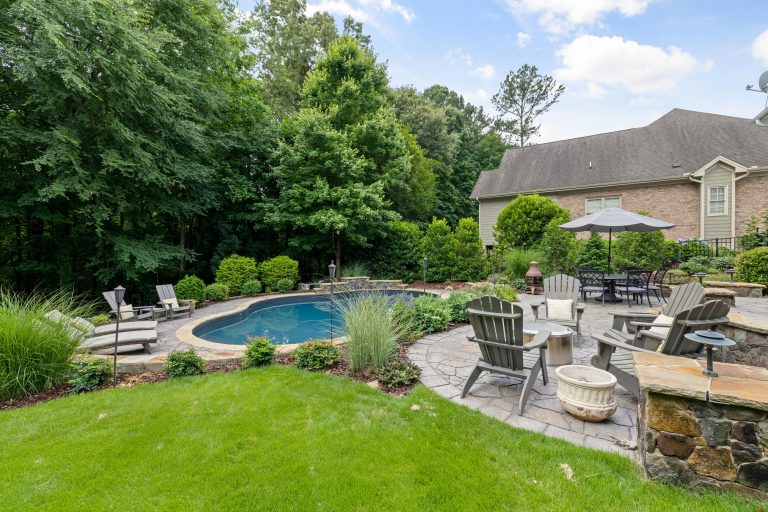
Your patio should be a space you actually want to spend time on, not one covered in dirt, moss, and stains.
Over time, stone patios lose their color and texture as grime builds up.
The good news?
With the right patio stone cleaner and cleaning method, you can bring that beautiful stone surface back to life without damaging it.
Let’s walk through how to choose the best cleaner, the safest cleaning process, and expert maintenance tips to keep your patio looking new.
Why Cleaning Your Patio Stone the Right Way Matters
Patio stones may look tough, but they’re porous and prone to wear if not maintained properly.
Using the wrong cleaner or too much pressure can leave permanent marks or weaken the surface.
Regular stone cleaning helps prevent:
- Mold, mildew, and algae growth
- Oil, rust, and leaf stains
- Efflorescence (the white powdery residue)
- Discoloration from weather and debris buildup
A clean patio doesn’t just look better, it lasts longer and resists damage from moisture and UV exposure.
Choosing the Right Patio Stone Cleaner
Not all cleaners are safe for every stone type.
The best patio stone cleaner depends on your surface, the stains you’re treating, and whether your patio is sealed or unsealed.
What to Look For
- pH Balance
- Acidic cleaners (low pH) remove efflorescence and rust stains but can damage soft stone.
- Alkaline cleaners (high pH) remove grease, oil, and organic buildup safely on most pavers.
- Neutral cleaners are best for regular maintenance and sealed surfaces.
- Acidic cleaners (low pH) remove efflorescence and rust stains but can damage soft stone.
- Safety and Eco-Friendliness: Choose biodegradable, plant-safe cleaners to protect nearby grass or garden beds. Avoid bleach and harsh acids, they strip color and damage surfaces.
- Stone Compatibility: Each stone reacts differently. Here’s a quick guide:
| Stone Type | Recommended Cleaner | Notes |
| Concrete Pavers | Alkaline cleaner | Durable but porous — rinse thoroughly. |
| Flagstone / Slate | Neutral cleaner | Avoid acidic or high-pressure cleaning. |
| Travertine / Limestone | Neutral or mild alkaline | Very porous, seal regularly. |
| Granite / Bluestone | Alkaline or neutral | Tougher; can handle light pressure washing. |
Top Patio Stone Cleaners (Pro-Approved Comparison)
| Cleaner Type | Best For | Safe On | Notes |
| Alkaline Cleaner | Mold, algae, grease | Concrete, brick, pavers | Great for deep cleaning without damage. |
| Oxygen-Based Cleaner | Organic stains, mildew | Most natural stones | Eco-friendly and gentle. |
| Efflorescence Remover | White residue | Concrete, brick | Acidic — use sparingly and rinse well. |
| Neutral pH Cleaner | Routine cleaning | All stone types | Ideal for maintenance and sealed patios. |
| Biodegradable Degreaser | Oil stains | Pavers, flagstone | Plant-safe and powerful for tough spots. |
Tip: Always read product labels and test on a small hidden area first.
Can You Use Household Cleaners on Patio Stones?
This is one of the most common questions homeowners ask and the answer is: sometimes, but not usually recommended.
- Vinegar: Although natural, it’s acidic and can dull or etch natural stone like travertine and limestone.
- Bleach: Kills algae but also strips color, damages grout, and can harm plants.
- Dish Soap: A mild solution like diluted Dawn can work for light dirt, but it’s not effective on deep stains.
If you’re unsure, it’s safer to use a cleaner made specifically for outdoor stone and pavers, or call a professional to assess it.
How to Clean Patio Stone: Step-by-Step
If you’re cleaning your patio yourself, follow this simple process used by professionals:
Step 1: Clear and Sweep
Move furniture and debris, then sweep to remove loose dirt.
Step 2: Pre-Wet the Surface
Soak the patio with clean water to keep the cleaner from absorbing too quickly.
Step 3: Apply the Cleaner
Dilute the product as directed and apply evenly using a sprayer or mop.
Let it sit for 5–10 minutes to loosen buildup.
Step 4: Scrub the Surface
Use a stiff nylon brush or broom to agitate dirt and stains without scratching the stone.
Step 5: Rinse or Pressure Wash
Rinse thoroughly with a hose or pressure washer.
Keep pressure under 1500 PSI and use a 25°–40° nozzle.
Always test first to avoid marking the stone.
Step 6: Dry and Refill Joints
Let the area dry completely, refill joint sand if needed, and apply a stone sealer for long-term protection.
Common Patio Stone Cleaning Mistakes
Avoid these common pitfalls when stone cleaning that can do more harm than good:
- Using vinegar or bleach on natural stone
- Holding a pressure washer too close to the surface
- Forgetting to pre-wet or rinse properly
- Allowing cleaner to dry on the stone
- Skipping sealing after cleaning
A few simple precautions can save you from permanent damage or discoloration.
When to Call the Professionals
If your patio is large, delicate, or severely stained, professional cleaning is the safest option.
At Clean My Pavers, we use industry-grade surface-safe cleaners, controlled pressure systems, and stone sealants designed to restore and protect patios for years.
Our technicians have cleaned and sealed hundreds of patios across Southeastern Pennsylvania, helping homeowners eliminate mold, algae, and stubborn stains while keeping their outdoor spaces beautiful and safe.
Maintenance Tips to Keep Your Patio Stone Clean Longer
Here are a few maintenance tips to keep your stone patio cleaner for longer:
- Sweep or blow debris weekly.
- Rinse lightly every month during warm seasons.
- Re-seal every 2–3 years.
- Treat spills or oil stains immediately.
- Keep plants trimmed to reduce shade and moisture buildup.
Regular maintenance keeps your stone stronger and your patio safer.
Final Thoughts: Patio Stone Cleaner
The right patio stone cleaner can make the difference between a dull, slippery surface and a vibrant outdoor space.
Whether you clean it yourself or hire a professional, choosing the right cleaner, technique, and sealing routine protects your investment and enhances your home’s curb appeal.
If you want guaranteed results without the guesswork, contact Clean My Pavers today for professional stone cleaning, sealing, and restoration services in Southeastern Pennsylvania.
We’ll restore your patio’s natural beauty safely, effectively, and with long-lasting protection.
FAQs
What is the best way to clean patio stones?
The best way to clean patio stones is to use a pH-appropriate cleaner for your stone type, pre-wet the surface, apply the cleaner evenly, scrub with a stiff nylon brush, and rinse thoroughly. For most stones, gentle pressure washing under 1500 PSI is safe.
How do I make my patio stones look new?
To make your patio stones look new again, clean them with a suitable patio stone cleaner, remove stains, and finish by applying a high-quality sealer. Sealing enhances color, prevents fading, and helps resist future stains.
What is the best cleaner for natural stone patios?
A pH-neutral cleaner specifically designed for natural stone is the best choice. Avoid acidic cleaners like vinegar or harsh chemicals that can damage soft stones such as limestone and travertine.
Can I pressure wash patio stones?
Yes, you can pressure wash patio stones, but keep the pressure below 1500 PSI and use a 25°–40° nozzle to avoid etching or damaging the surface. Always test a small area first.
How often should I clean my patio?
Patios should be cleaned at least twice a year, once in spring and once in fall. In shaded or high-traffic areas, more frequent cleaning helps prevent algae and grime buildup.
What’s the white residue on my patio stones?
That white powdery film is called efflorescence, a natural salt deposit that appears when moisture evaporates through the stone. It can be safely removed with an efflorescence remover and a thorough rinse.
Do I need to seal my patio after cleaning?
Yes, sealing your patio after cleaning helps protect the stone from moisture, staining, and mold regrowth. It also enhances the stone’s appearance and extends its lifespan.