
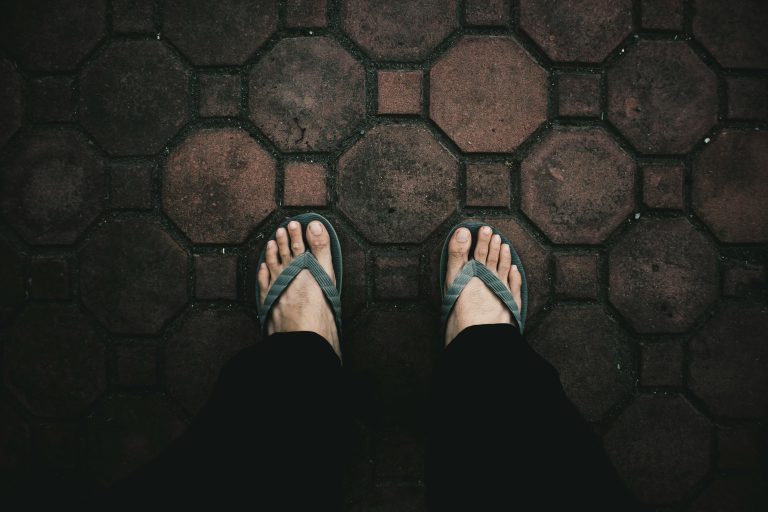
Got dirty pavers?
Whether it’s your patio, walkway, or driveway, grime and stains can quickly take over and ruin your curb appeal.
The good news is, power washing pavers is one of the fastest and most effective ways to bring them back to life, if you do it the right way.
In this guide, we’ll show you exactly how to power wash pavers safely without damaging the surface or washing out the joint sand.
And if you’d rather have the job done professionally, we’ll also explain how we at Clean My Pavers can handle the hard work for you.
Why Power Washing Pavers Works So Well
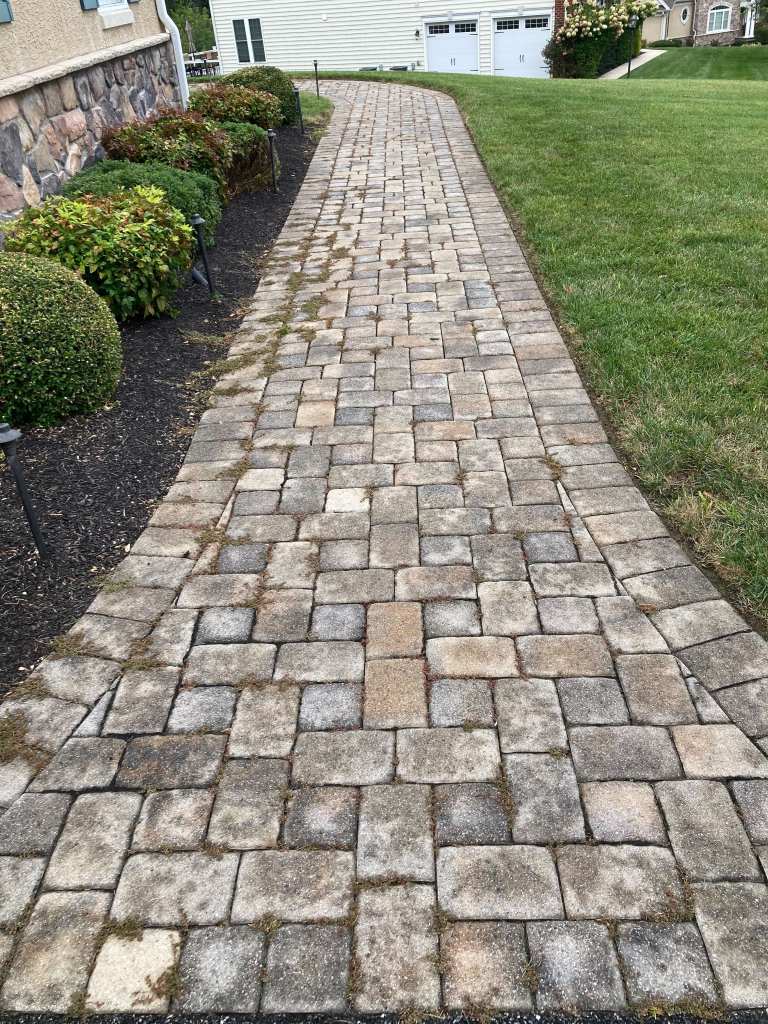
Power washing gets deep into the surface to remove dirt, algae, moss, and stains that other paver cleaning methods often miss.
It’s a great option because it:
- Quickly restores the natural color of your pavers
- Gets rid of slippery mold and mildew
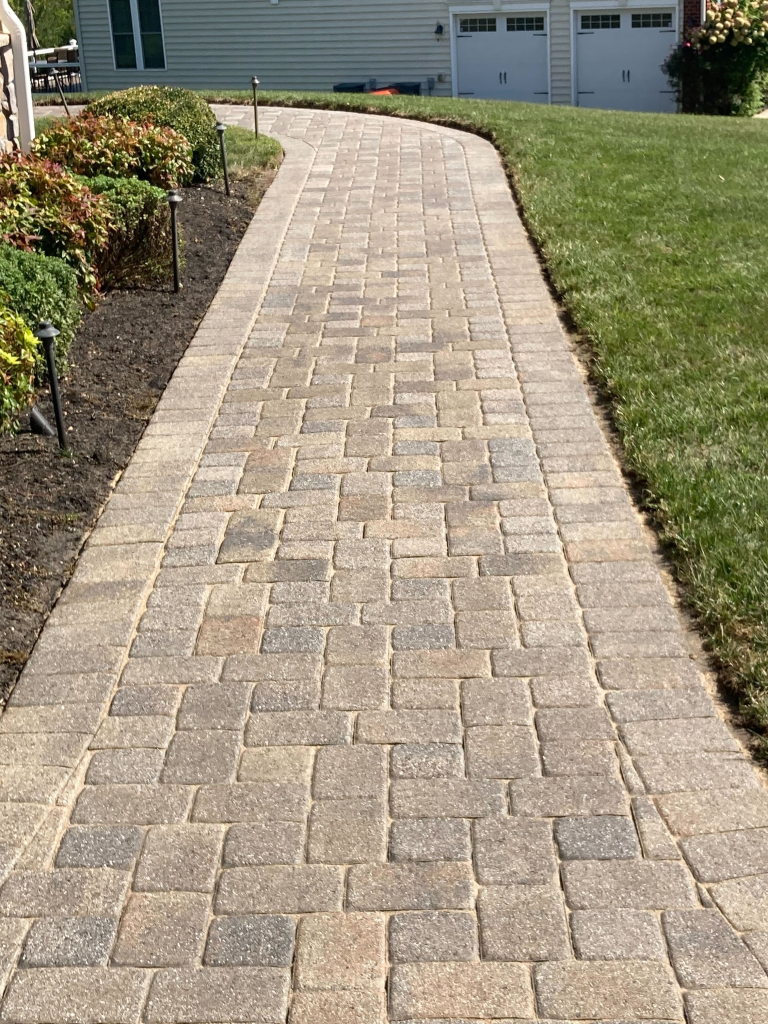
- Makes your patio or driveway look fresh and new again
- Saves you hours compared to scrubbing by hand
But power washing the wrong way can do more harm than good.
Too much pressure or poor technique can cause sand loss, surface damage, and uneven results.
That’s why following the right steps matters.
What You’ll Need to Get Started
Let’s take a look at what you’ll need to get started:
Tools and Supplies
Before you begin, make sure you have the right gear:
- Pressure washer with 1,200–1,800 PSI
- Fan tip nozzle (25 to 40 degrees) or a surface cleaner attachment
- Paver-safe cleaner or oxygen bleach if needed
- Protective gear like gloves, goggles, and boots
Prep the Area
Get the area ready by:
- Sweeping away leaves, dirt, and debris
- Pulling weeds from between the pavers
- Wetting nearby plants or covering them to avoid overspray
- Lightly wetting the pavers to prevent cleaner from soaking in too fast
How to Power Wash Pavers Without Damage
Let’s take a look at how you can power wash your pavers without any damage:
Start with a Test Spot
Choose a small, hidden section of your pavers to test.
Hold the wand about 6 to 12 inches above the surface and make sure the pressure isn’t damaging the pavers or blowing out the sand between them.
Apply Cleaner (If Needed)
For tough stains, moss, or algae, apply a paver-safe cleaner or diluted oxygen bleach.
Let it sit for about 5 to 10 minutes, but don’t let it dry out, keep it damp so it keeps working.
Power Wash the Right Way
- Hold the wand steady and move in straight lines with some overlap
- Follow the direction of the paver joints to avoid chipping edges
- Keep the nozzle moving at all times to prevent gouging
- Use a surface cleaner attachment for even coverage on larger areas
Let the Area Dry
After cleaning the pavers, give your pavers time to fully dry.
Then take a look, check for any sand that has washed out, spots that need a second pass, or areas where dirt might still be hiding.
Don’t Forget to Re-sand and Seal
When you power wash, it’s normal for some of the joint sand between your pavers to get displaced.
That sand is important, it keeps your pavers in place and blocks out weeds.
Here’s what to do next:
- Sweep kiln-dried or polymeric sand into the joints
- Use a plate compactor or tamper to set it in place
- If you want extra protection, apply a paver sealer once everything’s dry
We recommend sealing your pavers every 2 to 3 years to help prevent stains and erosion.
Common Mistakes to Avoid
Avoiding a few key mistakes can save you a lot of trouble:
- Don’t use pressure over 2,000 PSI—it’s too strong for most pavers
- Don’t hold the wand too close—keep at least 6 inches of space
- Don’t skip the resanding step after you clean
- Don’t ignore algae or mold—use a cleaner before washing
How Often Should You Power Wash Pavers?
Most people find that once or twice a year is plenty.
Spring and fall are the best times to do it, especially in areas with lots of rain.
If your pavers are in the shade, stay damp, or get a lot of foot traffic, you might need to clean them more often.
A quick rinse every few months can also help keep dirt from building up between full cleanings.
Let Clean My Pavers Do the Hard Work for You
Power washing pavers takes time, the right equipment, and careful technique.
If you’d rather skip the hassle, let us take care of it for you.
At Clean My Pavers, we offer:
- Low-pressure paver cleaning that protects your pavers while lifting stubborn grime
- Proper techniques that prevent sand loss and damage
- Resanding and paver sealing services to lock in the clean and protect the finish
You’ll get great results without the guesswork and we’ll treat your property like it’s our own.
Contact us to learn more or request a free quote!
Final Thoughts: Power Washing Pavers
Power washing pavers is one of the fastest ways to bring back the beauty of your outdoor space.
With the right tools and technique, you can get a clean, even finish without causing damage.
And if you’d rather have someone handle it for you, Clean My Pavers is ready to help.
We’ll clean, restore, and protect your patio or driveway, so it looks great and lasts longer.
Contact us today to schedule your paver cleaning and enjoy the results without lifting a finger.
FAQs: Power Washing Pavers
How often should you power wash pavers?
Most paver surfaces should be power washed once or twice a year, typically in spring or fall. In areas with high foot traffic, lots of shade, or frequent moisture, more frequent cleaning may be needed to prevent buildup of dirt, mold, or algae.
What do you spray on pavers before pressure washing?
You can spray a paver-safe cleaner or diluted oxygen bleach before pressure washing to help loosen stains, mold, or algae. Let it sit for 5 to 10 minutes, but don’t let it dry out—keep the surface damp for best results.
Do you need to re-sand pavers after power washing?
Yes, re-sanding is often necessary after power washing, especially if any joint sand is displaced during cleaning. Replacing the sand helps keep the pavers stable, prevents weeds from growing between the joints, and prepares the surface for sealing.
Will power washing remove weeds from pavers?
Power washing can remove some weeds, but it won’t always get to the roots. It’s best to manually pull weeds or use a joint scraper before cleaning. Once the area is clean, re-sanding and sealing can help prevent future weed growth.
Can you pressure wash pavers with polymeric sand?
You can, but you need to be careful. Use low to moderate pressure and a fan tip nozzle, keeping at least 6 to 12 inches of distance from the surface. Too much pressure or getting too close can dislodge or damage the polymeric sand.
How do you clean pavers?
The best way to clean pavers is to sweep away debris, remove weeds, apply a safe cleaning solution if needed, and then power wash with the right pressure and technique. After cleaning, re-sand the joints and consider sealing the surface for long-lasting results.