
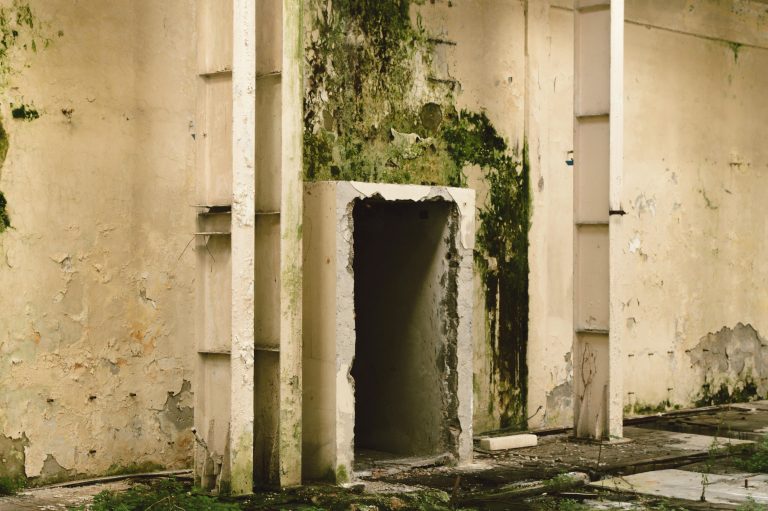
Yes, mold can grow on concrete.
Even though concrete itself isn’t a food source, its porous surface traps moisture, dirt, and organic material.
When those conditions combine, mold spores can start growing within 24–48 hours and may become visible in as little as two to three weeks.
If you live in Southeastern, PA, you’ve probably noticed this firsthand.
Our humid summers, damp springs, and shaded backyards create the perfect environment for mold to spread on patios, driveways, and walkways.
Why Mold Grows on Concrete
Concrete may look solid, but it behaves like a sponge.
It absorbs water and holds onto it, especially when drainage is poor or when the surface stays shaded.
Add in dust, pollen, and leaves, and mold has all the nutrients it needs.
Common types of mold you’ll see on concrete include black, green, and brown mold, as well as mildew.
Here in Southeastern PA, the most common spots for mold are:
- Patios and pool decks that stay damp after rain
- Driveways where water puddles instead of draining
- Walkways and pavers shaded by trees or shrubs
- Garage floors and basement slabs
Mold vs. Efflorescence on Concrete
It’s easy to confuse mold with efflorescence, which is the white, chalky powder left behind when water evaporates and salts rise to the surface.
Efflorescence brushes off easily and doesn’t smell.
Mold, by contrast, is fuzzy or slimy and often black, green, or brown.
A quick test: spray the area with water.
If the mark disappears and then reappears once dry, it’s efflorescence.
If it stays put, you’re dealing with mold.
Health and Safety Risks of Mold on Concrete
Mold isn’t just a cosmetic problem.
It can cause:
- Respiratory irritation for people with asthma or allergies
- Musty odors that linger around outdoor seating areas
- Slippery surfaces, especially on patios and pool decks, which create a fall risk
While mold doesn’t eat concrete the way it does wood, some species can gradually weaken it by penetrating the pores.
Leaving it untreated means the problem almost always spreads.
How to Remove Mold from Concrete Surfaces
Let’s take a look at how you can remove mold from your concrete surfaces:
DIY Mold Removal
If you’re tackling a small area, try:
- Scrubbing with a mix of water and oxygen bleach (safer than chlorine)
- Spraying with vinegar for stubborn spots
- Carefully pressure washing, but only if you know how to avoid surface damage
Always wear gloves and a mask, since spores can become airborne while cleaning concrete.
Why Mold Comes Back
Even after cleaning, concrete’s porous surface makes it easy for mold spores to settle again.
In Southeastern PA’s damp climate, outdoor mold usually returns unless you take steps to protect and seal the concrete.
Professional Outdoor Concrete Cleaning and Sealing
This is where Clean My Pavers makes a difference.
We help homeowners across Southeastern PA restore their patios, walkways, driveways, and pool decks with services that last longer than DIY cleaning.
- Deep cleaning: We use professional-grade equipment to remove mold, mildew, algae, and stains without damaging the surface.
- Sealing services: After cleaning, we apply a protective sealer that blocks water from seeping into the pores. This prevents future mold growth and keeps your surfaces looking fresh.
- Improved curb appeal: A clean, sealed patio or driveway isn’t just safer, it boosts the look and value of your home.
How to Prevent Mold on Outdoor Concrete
Here are a few strategies you can employ to avoid mold on your concrete surfaces:
- Sweep leaves, dirt, and debris off regularly
- Improve drainage so water doesn’t pool after rain
- Trim back trees or shrubs to let sunlight dry damp areas
- Reseal concrete or pavers every few years
- Schedule professional cleaning and sealing with Clean My Pavers before mold has a chance to spread
When to Call the Experts
If you’ve scrubbed and the mold keeps coming back, or if you’re dealing with large outdoor areas like patios, driveways, or pool decks, it’s time to bring in the professionals.
Clean My Pavers offers expert concrete and paver cleaning throughout Southeastern PA, helping homeowners keep their outdoor spaces healthy, safe, and beautiful.
Conclusion: Can Mold Grow on Concrete
So, can mold grow on concrete?
Absolutely, and in Southeastern PA’s humid, wet climate, it often does.
The good news is you don’t have to live with stained or slippery surfaces.
With professional cleaning and concrete sealing from Clean My Pavers, you can eliminate mold and keep it from returning.
Contact Clean My Pavers today to restore your outdoor concrete and protect it from future mold growth.
FAQs: Can Mold Grow on Concrete
How do you get rid of mold on concrete?
You can scrub small areas with a mixture of water and oxygen bleach, spray vinegar on stubborn spots, or carefully pressure wash. For lasting results, professional cleaning and sealing are recommended so the mold doesn’t return.
Can mold grow on concrete outside?
Yes, mold can easily grow on outdoor concrete when moisture, shade, and organic debris are present. Patios, driveways, and walkways in Southeastern PA are especially prone to mold because of the region’s damp climate.
What can I put down on a concrete slab to keep green mold from growing?
Keeping the surface clean and dry helps, but applying a high-quality sealer is the best way to block moisture from seeping into the pores of the concrete. Regular cleaning and sealing stop green mold from coming back.
Will sealing concrete prevent mold?
Sealing concrete creates a protective barrier that prevents water from soaking into the surface. This makes it much harder for mold, mildew, and algae to grow, especially in humid environments.
Will bleach damage concrete?
Straight bleach can discolor or weaken concrete over time if used too often. A safer option is oxygen bleach or professional cleaning methods that remove mold without harming the surface.
Will a pressure washer remove mold from concrete?
Yes, a pressure washer can remove surface mold, but it must be used carefully to avoid damaging the concrete. Mold can also return quickly if the surface isn’t sealed afterward.
How do you seal concrete?
Concrete is sealed by applying a professional-grade sealer after the surface has been cleaned. The sealer penetrates the pores, repels water, and creates a protective layer that makes the concrete easier to maintain.
How often does concrete need to be sealed?
Most outdoor concrete should be resealed every two to three years, depending on exposure to weather and foot traffic. In Southeastern PA’s climate, sealing more regularly helps protect against moisture and mold growth.