
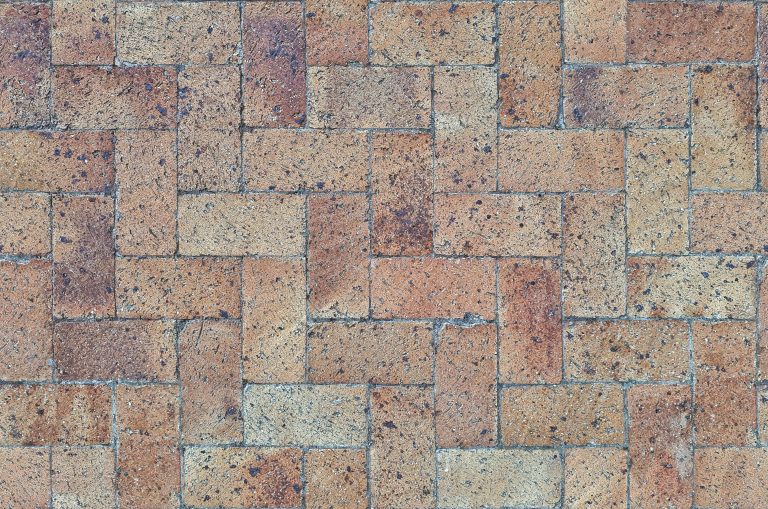
A brick patio adds charm and durability to any outdoor space.
But over time, even the best pavers shift, crack, or fade.
Instead of replacing everything, brick paver repair can restore your patio’s beauty and function at a fraction of the cost.
This guide explains how to repair your patio, what tools you need, how much it costs, and when to hire a professional.
Why Brick Patios Need Repair
Brick pavers are built to last, but they face constant pressure from weather, shifting ground, and everyday wear.
Heavy rain, and sun exposure all take their toll.
Soil settling and poor drainage can cause sinking.
Heavy furniture and foot traffic can lead to cracks.
The most common problems include sunken or uneven bricks, cracked or chipped pavers, weeds or moss in the joints, loose edging, and faded colors.
Catching these issues early keeps your patio safe, attractive, and long-lasting.
Tools and Materials You’ll Need
Most brick patio repair projects require only basic tools and materials: a pry bar or flat screwdriver, a rubber mallet, a level, joint sand (polymeric or regular), a plate compactor or hand tamper, replacement bricks, and a paver cleaner and paver sealer.
How to Repair a Brick Patio: Step-by-Step
Let’s take a look at how you can repair your brick pavers:
Fixing Sunken or Uneven Pavers
Pry up the affected pavers and check the base.
Add sand or gravel as needed, compact and level it, then replace the pavers and tap them into place with a rubber mallet.
Sweep sand into the joints and compact again.
Replacing Cracked or Broken Pavers
Remove the damaged brick, insert a matching replacement, tap it level with the surrounding pavers, and fill the joints with sand for stability.
Restoring Faded or Stained Pavers
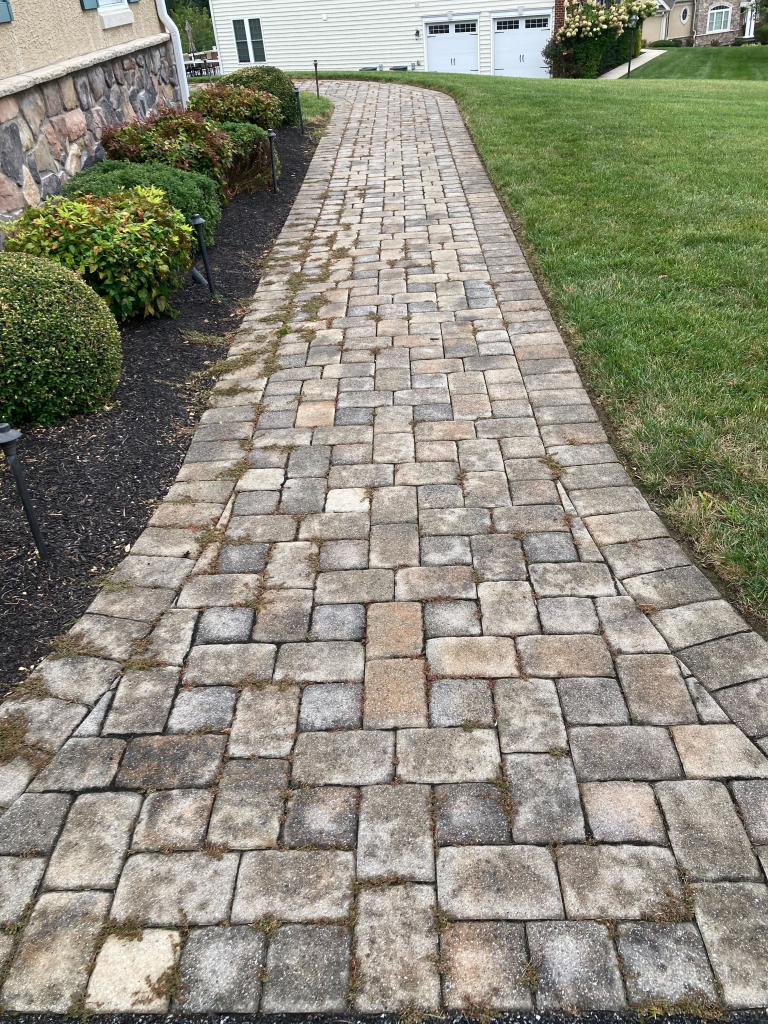
Clean the surface with a pressure washer or stiff brush.
Use stain removers for oil or rust.
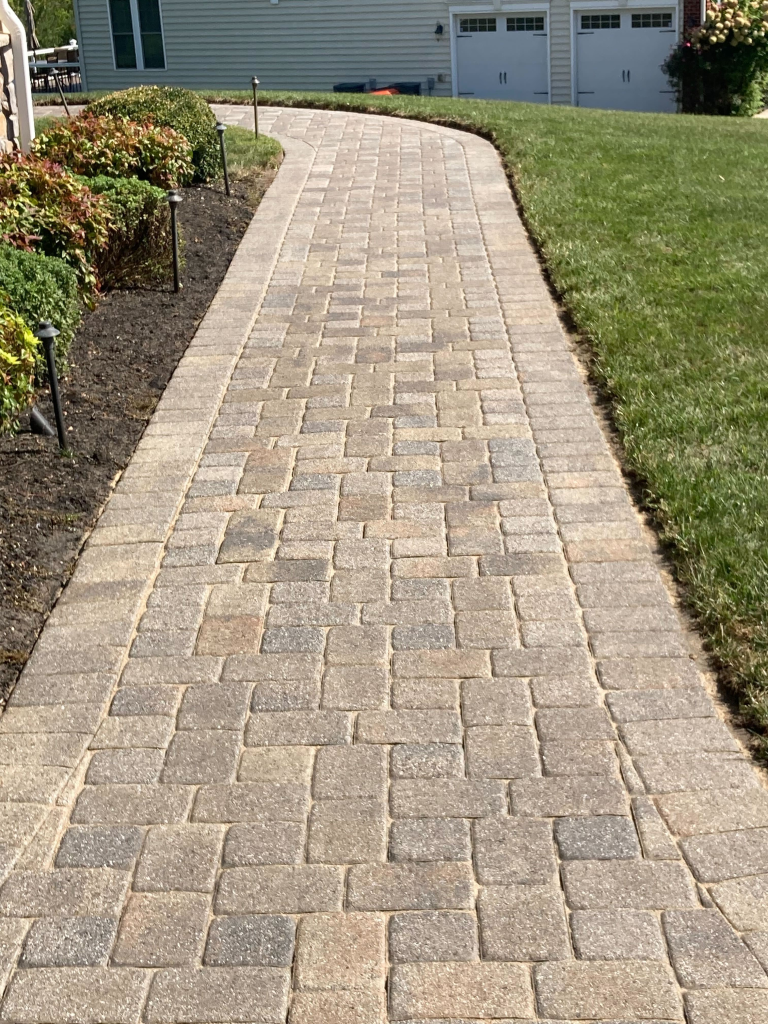
Apply a paver sealer to revive color and protect against weather.
Brick Patio Restoration vs. Minor Repair
Minor repairs are enough when you’re only dealing with a few sunken or broken bricks.
Full paver restoration is needed if the entire patio is uneven, weeds are widespread, or the color has dulled.
Restoration often involves lifting large sections, re-leveling the base, deep cleaning, sanding, and sealing.
Preventing Future Damage
Once your patio looks new again, protect it with simple maintenance.
Seal every 3–5 years to prevent fading and water damage.
Check joints annually and top up sand to stop weeds and washout.
Make sure drainage is working to prevent sinking, and inspect edges to keep bricks locked in place.
DIY vs. Professional Brick Patio Repair
Small fixes are great DIY projects, but call a pro if large sections have sunk, the base layer is failing, or you need a complete brick patio restoration.
Professionals have the tools and expertise to deliver long-lasting results.
Hiring experts like Clean My Pavers ensures your patio looks its best without the hassle.
Local Considerations: Cold Climate Brick Patio Repair
In areas like Pennsylvania and the Northeast, freeze/thaw cycles, heavy snow, and road salt can speed up patio damage.
Professional installers in these regions use thicker bases, proper drainage, and sealers designed for winters.
A local pro understands these conditions and can recommend the best long-term solutions.
Final Thoughts: Brick Paver Repair
Brick patios are built to last, but they need care to stay beautiful and safe.
With the right tools, you can handle small repairs yourself.
For bigger issues or complete brick patio restoration, hiring experts like Clean My Pavers will save you time and ensure lasting results.
FAQs: Brick Paver Repairs
How do you fix sunken pavers?
To fix sunken pavers, remove the affected bricks, add sand or gravel to the base, compact it, and replace the pavers so they sit level with the rest of the patio.
How long do pavers last?
Well-installed and maintained pavers can last 25 to 50 years. Regular sealing, proper drainage, and timely repairs help extend their lifespan.
Can you lay pavers without a base?
It’s not recommended to lay pavers without a base. Without a solid foundation of gravel and sand, pavers will shift, sink, and become uneven over time.
How to re-sand patio pavers?
Sweep fresh polymeric sand or joint sand into the gaps between pavers, making sure the joints are fully filled. Lightly mist with water to set the sand in place.
Can brick pavers be restored?
Yes, brick pavers can be restored with deep cleaning, re-sanding the joints, and applying a sealer to bring back their original color and protect them from damage.
What is the lifespan of a brick paver?
Brick pavers themselves can last 50 to 100 years, but the base and joint sand need maintenance to keep the patio stable and looking good.
Is it okay to pressure wash brick pavers?
Yes, pressure washing is safe if done correctly. Use a fan tip nozzle and moderate pressure to avoid damaging the surface, and always re-sand joints afterward.