
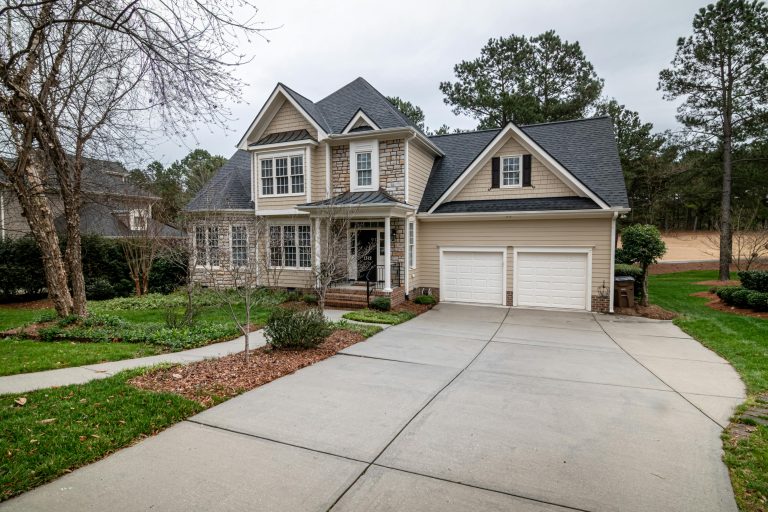
Your driveway takes a beating.
Cars, weather, oil, dirt, and grime build up over time, leaving it stained and dull.
That’s where driveway pressure washing comes in.
Whether you’re trying to boost your curb appeal, get rid of tough stains, or simply keep things looking clean, pressure washing is one of the most effective ways to do it.
This guide walks you through everything you need to know, whether you’re tackling it yourself or looking for professional help.
Why Pressure Washing Your Driveway Matters
Your driveway is one of the first things people notice when they come to your home.
If it’s covered in oil stains, mildew, or dirt, it’s going to leave a bad impression.
But the impact goes beyond looks.
Letting grime and buildup sit too long can cause long-term damage, especially to porous surfaces like concrete and asphalt.
Pressure washing your driveway helps:
- Remove stains before they become permanent
- Prevent mold and mildew growth
- Extend the life of your surface
- Keep your home looking sharp
Cleaning your concrete driveway regularly is a small step that makes a big difference in how your home looks and lasts.
What You’ll Need to Pressure Wash a Driveway
Doing it yourself?
Make sure you have the right tools and settings.
Using the wrong equipment or too much pressure can damage your driveway.
Here’s what you’ll need:
- A pressure washer (at least 3,000 PSI for concrete; 2,000 PSI for asphalt)
- A 25° or 15° nozzle tip
- A surface cleaner attachment for even coverage
- A detergent or degreaser for tough stains
- Gloves, goggles, and boots for safety
Choosing the right gear depends on your surface.
Concrete is tougher and can handle higher pressure.
Asphalt is more delicate and needs a gentler touch.
Not sure what PSI or cleaner to use?
That’s exactly what we handle at Clean My Pavers.
We use professional-grade equipment that gets deep results without damaging your driveway.
Step-by-Step: How to Pressure Wash a Driveway
Pressure washing isn’t just about spraying water.
The right process makes all the difference in getting a clean, even finish.
- Clear the area of cars, furniture, and debris.
- Apply a degreaser or detergent to any stains and let it soak for 10–15 minutes.
- Start pressure washing from the top of your driveway and move downward.
- Keep the nozzle a steady distance from the surface and move in overlapping strokes.
- Rinse thoroughly with clean water.
- Let the driveway dry for 24–48 hours if you plan to seal it afterward.
For many homeowners, the process takes a few hours, but deep stains or large areas may take longer.
If you’d rather skip the work and get better results, our team can handle it for you.
Common Stains and How to Remove Them
Not all stains are the same.
Here’s how we typically tackle the most common driveway problems in Southeastern, PA:
- Oil stains: Apply a degreaser and scrub before pressure washing
- Rust stains: Use a rust remover with oxalic acid
- Mold and mildew: Treat with a bleach-based solution
- Tire marks: Pressure wash with detergent and hot water, if available
Our technicians at Clean My Pavers know exactly which cleaners and tools work best for each stain, so you don’t have to guess or risk damaging your surface.
Concrete vs. Asphalt Driveway Cleaning
Concrete and asphalt aren’t cleaned the same way.
Using too much pressure on asphalt can damage the surface, while using too little on concrete might not get the job done.
- Concrete driveways: Handle up to 3,000+ PSI, great for removing deep grime
- Asphalt driveways: Require lower PSI, usually around 2,000, to avoid surface erosion
- Sealed driveways: Need gentle cleaning to preserve the finish
At Clean My Pavers, we adjust our method to fit your surface so you get the best possible clean without any risk.
Should You Seal Your Driveway After Pressure Washing?
Sealing your concrete driveway after pressure washing isn’t required, but it’s often a smart move.
It creates a protective layer that keeps new stains from sinking in and helps your driveway look cleaner for longer.
Benefits of sealing a concrete driveway:
- Keeps oil, water, and dirt from penetrating
- Reduces UV damage and cracking
- Makes future cleanings easier
If your driveway hasn’t been sealed in the last 2–3 years, this might be the perfect time.
We can seal it after cleaning, all in one visit.
DIY vs. Hiring a Professional: What’s Best for You?
You can pressure wash your driveway yourself, but it does come with some trade-offs.
DIY works if:
- You already have the right equipment
- Your stains are light or recent
- You’re comfortable handling high-pressure tools
But hiring a pro makes sense if:
- You’re dealing with deep stains or delicate surfaces
- You don’t want to rent or buy a pressure washer
- You want results that last
At Clean My Pavers, we offer fast, effective driveway pressure washing that saves you time and gives you a noticeably better finish.
Our team handles everything, equipment, cleaning agents, pressure adjustments, and post-wash cleanup, so you don’t have to.
How Clean My Pavers Can Help You Get Results That Last
We make driveway cleaning in Southeastern, PA easy.
At Clean My Pavers, we specialize in concrete cleaning that brings driveways, walkways, patios, and more back to life.
Here’s what you get when you work with us:
- Experienced technicians trained to treat all types of driveways
- Safe, eco-friendly cleaning products
- High-powered equipment that removes grime without damaging the surface
- Reliable, professional service from start to finish
If your driveway looks dull, stained, or just needs a reset, we’re ready to help.
Contact us today for a free quote.
Final Thoughts: Driveway Pressure Washing
Pressure washing your driveway is one of the easiest ways to refresh your home’s appearance and prevent costly damage down the road.
Whether you’re doing it yourself or want a pro to handle it, the key is using the right tools, technique, and timing.
If you want it done right, Clean My Pavers is here to help.
Get in touch today and let us bring your driveway back to life in Southeastern, PA.
FAQs: Driveway Pressure Washing
Should you pressure wash your driveway?
Yes, pressure washing your driveway removes built-up dirt, oil stains, mold, and mildew. It improves curb appeal and helps prevent long-term surface damage.
What do you spray on a driveway before pressure washing?
Before pressure washing, it’s best to apply a driveway cleaner or degreaser, especially on oil stains or mildew. Let it sit for 10–15 minutes before rinsing.
What is the best time of year to pressure wash your driveway?
Spring and fall are ideal times to pressure wash your driveway. These seasons offer mild temperatures and help you remove seasonal buildup like pollen or leaves.
Should you use soap when pressure washing a driveway?
Using soap or detergent helps break down oil, dirt, and grime more effectively than water alone. It’s especially helpful for stubborn stains or heavily soiled surfaces.
Should I seal my driveway after pressure washing?
Sealing your driveway after pressure washing helps protect it from future stains, water damage, and cracking. Wait 24–48 hours for the surface to dry before sealing.
How do you maintain a concrete driveway?
Keep your concrete driveway clean by pressure washing once a year, sealing it every 2–3 years, and quickly removing stains to prevent permanent damage.