
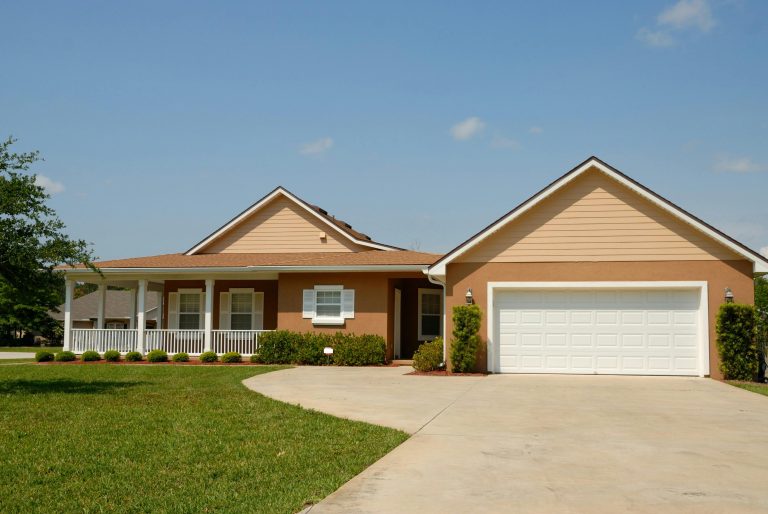
Thinking about sealing your concrete driveway?
It’s a smart question to ask.
Sealant can protect your driveway and improve its appearance, but it’s not always a one-size-fits-all solution.
In this guide, we break down the real pros and cons of sealing a concrete driveway, so you can decide if it’s the right move for your home.
We’ll also sealer types, DIY tips, and how we help homeowners throughout Southeastern Pennsylvania get the job done right.
What Is Concrete Driveway Sealing?
Sealing concrete means applying a protective layer over the surface to help it resist water, salt, stains, and everyday wear.
It’s especially useful in places like Pennsylvania, where seasonal changes and road salt can break down untreated concrete.
There are two main types of sealers to consider:
- Topical sealers sit on the surface and often give a glossy or matte finish. They protect against moisture, oil, and UV rays.
- Penetrating sealers soak into the concrete. They don’t change the look much, but they’re great for protecting from within—especially during freeze-thaw cycles.
If your driveway is exposed to heavy traffic, harsh weather, or just needs a refresh, sealing might be the protection it needs.
Benefits of Sealing a Concrete Driveway
Let’s look at some of the benefits of sealing your driveway:
- Helps prevent cracks and damage: A sealed driveway repels water, snow, and road salt—three of the biggest culprits behind surface cracks and erosion in Southeastern PA.
- Protects against stains and spills: From oil leaks to leaf stains, sealers make it harder for dirt and liquids to soak into your concrete.
- Makes cleaning easier: Dust, debris, and grime can be swept or washed off more easily when your concrete is sealed.
- Improves curb appeal: Sealers can enhance the color of decorative or stamped concrete and give your driveway a clean, finished look.
- Extends the lifespan of your concrete: By sealing out the elements, you’re helping your driveway last longer and delaying the need for costly repairs.
Drawbacks of Sealing a Concrete Driveway
Let’s look at some of the potential drawbacks of concrete sealing:
- It’s not permanent: Most sealers need to be reapplied every few years depending on the product and how much wear your driveway sees.
- Some finishes can be slippery: Topical sealers, especially those with a glossy finish, may be slick when wet. You can add a slip-resistant additive to reduce this risk.
- DIY can be tricky: Sealing looks simple, but surface prep, weather conditions, and even humidity levels affect the results. A bad DIY job can lead to streaks, peeling, or poor protection.
- May alter the appearance: Some sealers darken the surface or give it a wet look, which isn’t for everyone.
Topical vs Penetrating Sealers: What’s the Difference
Choosing the right sealer matters.
Here’s a quick breakdown:
| Type | Finish | How It Works | Lifespan | Best For |
| Topical Sealer | Glossy or matte | Sits on surface | 1–3 years | Decorative or stamped concrete |
| Penetrating Sealer | Natural look | Absorbs into concrete | 3–10 years | Freeze-thaw climates like PA |
Penetrating sealers are ideal for driveways in the Northeast where cold weather and salt are constant challenges.
Topical sealers offer more visual pop but may need more frequent maintenance.
Is Sealing a Driveway Worth It in Southeastern PA?
Yes, especially if your driveway deals with winter snow, de-icing salt, spring rain, or summer heat—which is just about every driveway in this region.
Freezing and thawing can crack unsealed concrete.
Salt speeds up wear.
Humidity encourages algae and moss.
Sealing your driveway gives it a better chance to hold up against everything our seasons throw at it.
Should You Seal It Yourself or Call a Pro?
DIY sealing can work for small driveways and homeowners who are comfortable doing surface prep and application.
But it takes time, equipment, and careful planning, especially when it comes to concrete cleaning, drying time, and even the weather forecast.
If you want results that last, hiring a pro is the better bet.
How Clean My Pavers Can Help With Concrete Sealing
At Clean My Pavers, we specialize in concrete sealing for homes in Southeastern Pennsylvania.
We know how local weather affects driveways, and we use high-quality sealers designed to stand up to it all.
Here’s how we help:
- We offer both penetrating and topical sealers
- We use anti-slip additives for safety
- Our team is fully trained and insured
- We handle everything—from pressure washing to final sealing
- We’re local, experienced, and easy to work with
If you want your driveway sealed the right way, without the stress or hassle of doing it yourself, we’re here to help.
Aftercare: What to Do After Your Driveway Is Sealed
- Don’t walk on it for at least 24 hours
- Keep cars off it for 48 to 72 hours
- Use mild cleaners only—no harsh chemicals or power washing right away
- Reseal every few years, depending on use and exposure
Taking care of your sealed driveway helps keep it looking great and performing even better.
Conclusion: Pros and Cons of Sealing a Concrete Driveway
For most homeowners in Southeastern PA, the answer is yes.
Sealing protects your driveway from weather, salt, moisture, and stains.
It keeps your driveway looking sharp and helps it last years longer.
It’s not without a few downsides but the long-term value makes sealing a smart choice.
Not sure where to start?
We can help.
Whether your driveway is brand new or long overdue for attention, Clean My Pavers can seal it up and protect it for seasons to come.
FAQs: Pros and Cons of Sealing a Concrete Driveway
Is it worth it to seal a concrete driveway?
Yes, sealing your concrete driveway helps protect it from moisture, salt, stains, and weather damage. It extends the life of the surface, improves appearance, and reduces long-term repair costs, especially in regions like Southeastern Pennsylvania where seasonal changes can be tough on concrete.
Does pressure washing remove concrete sealer?
Pressure washing can wear down or remove some types of sealers over time, especially if the sealer is old or the pressure is too high. That’s why it’s important to use the correct PSI and nozzle type when cleaning a sealed driveway. Reapplication may be needed after several washes.
How often does concrete need to be sealed?
It depends on the type of sealer used and how much traffic your driveway gets. Topical sealers may need reapplication every 1 to 3 years, while penetrating sealers can last 3 to 10 years. Exposure to sun, salt, and freeze-thaw cycles can affect how often you should reseal.
How do you seal concrete?
Sealing concrete starts with a thorough cleaning of the surface to remove dirt, oil, and stains. Once dry, a sealer is applied using a roller or sprayer in even coats. It then needs time to cure, typically 24 to 48 hours before foot traffic and up to 72 hours before driving on it.
How do you maintain a concrete driveway?
To maintain a sealed concrete driveway, sweep or rinse off debris regularly, clean oil or chemical spills quickly, and avoid using harsh de-icing products. Reseal as needed based on wear and appearance. A gentle pressure wash once or twice a year can help keep it looking fresh.
How do you remove mold from concrete?
You can remove mold from concrete by applying a solution of water and oxygen bleach or vinegar, scrubbing the affected area with a stiff brush, and rinsing it clean. Avoid using harsh chemicals that can damage sealed surfaces. Keeping your driveway sealed also helps prevent mold from growing in the first place.