
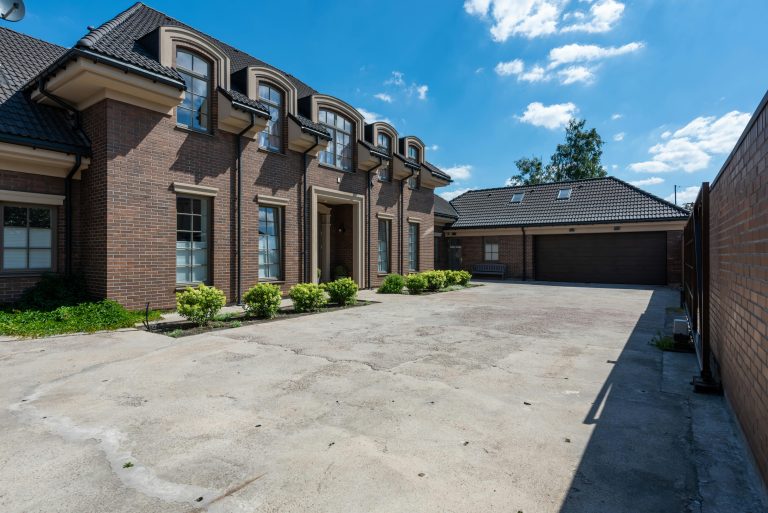
Oil stains on your driveway or garage floor are frustrating, they make your property look messy and can be tough to remove.
Whether it’s a small spill from your car or an old dark spot that’s been there for years, knowing how to get oil out of concrete makes all the difference.
Quick Answer
To get oil out of concrete, cover fresh spills with baking soda or cat litter to absorb the oil, then scrub with dish soap or a degreaser and rinse thoroughly.
For old or deep-set stains, use a poultice or call a professional cleaning service that uses hot-water pressure washing and eco-friendly degreasers.
Why Oil Soaks Into Concrete
Concrete looks solid, but it’s full of tiny pores that absorb oil like a sponge.
Once oil seeps in, it bonds to the surface, making it harder to remove over time.
Here’s why some stains are easier to treat than others:
- Fresh spills sit on the surface and are easy to clean.
- Set-in stains begin to absorb into the pores, needing stronger cleaners.
- Old oil stains often require professional-grade solutions or deep cleaning.
Understanding how oil interacts with concrete helps you choose the right removal method and avoid making the stain worse.
Step 1: Act Fast for Fresh Oil Spills
The sooner you treat an oil spill, the better your results.
- Blot, don’t wipe: Gently press a rag or paper towel onto the spill to soak up oil.
- Apply an absorbent: Cover the stain with baking soda, cat litter, or sawdust. Let it sit for at least 30 minutes, overnight is ideal.
- Sweep and scrub: Sweep up the absorbent and scrub the area with dish soap or laundry detergent using a stiff brush.
- Rinse completely: Wash away the residue with clean water and let it dry.
This simple method works best on new spills before the oil has time to soak in.
Step 2: Removing Set-In or Stubborn Oil Stains
If your stain has been there for a few days or weeks, it’s likely embedded in the surface.
Use a Concrete Degreaser
Choose a product labeled for oil or petroleum-based stains.
Apply it directly, let it sit for several minutes, then scrub and rinse.
Repeat if needed.
Try the Poultice Method
Mix baking soda or powdered detergent with water (or acetone for tougher stains) to create a paste.
Spread it over the stain, cover it with plastic wrap, and tape down the edges.
Let it sit overnight, this draws out oil from deep within the concrete.
Scrub and rinse the next day.
Repeat as Needed
Sometimes stains fade in layers, so don’t be afraid to do multiple rounds for best results.
Step 3: How to Remove Old Oil Stains from Concrete
Deep, years-old stains are stubborn because the oil has fully bonded with the concrete.
Household methods can help, but they often don’t go deep enough.
Here’s what works best for old oil stains:
- Professional-grade degreasers: Break down hardened oil deposits deep in the pores.
- Hot-water pressure washing: Heat helps emulsify and lift long-set oil.
- Steam cleaning: Ideal for sealed or decorative concrete that needs gentle restoration.
At Clean My Pavers, we use industrial-grade hot-water systems and eco-safe degreasers to remove oil stains from both concrete and pavers.
This process penetrates deep into the surface, safely restoring your driveway, patio, or garage floor to its original look, without damaging the material or nearby plants.
DIY vs. Professional Oil Stain Removal
| Method | Best For | Tools Needed | Effectiveness |
| Baking Soda & Soap | Fresh spills | Household items | Moderate |
| Poultice Paste | Weeks-old stains | Baking soda, detergent, plastic wrap | High |
| Commercial Degreaser | Set-in stains | Degreaser, brush | High |
| Professional Cleaning | Deep-set or old stains | Hot-water system, pro degreaser | Very High |
If your stain has been there for months (or even years), professional cleaning is usually the quickest and most effective solution.
Step 4: When to Call a Professional
If you’ve tried DIY methods and the stain still won’t budge, it’s time to call in the pros.
Clean My Pavers, located in Southeastern Pennsylvania, specializes in removing oil stains from concrete driveways, garages, and patios.
We use commercial-grade cleaning systems that safely remove even the toughest stains and we can seal concrete afterward to help prevent new ones.
Professional cleaning not only saves time but also protects your investment by keeping your property looking its best.
Step 5: How to Prevent Future Oil Stains
Once your surface is spotless, take a few simple steps to keep it that way:
- Seal your pavers or concrete: This creates a barrier that prevents oil from soaking in.
- Use drip trays or mats: Great for garages and under vehicles.
- Fix leaks quickly: Don’t let small drips turn into permanent stains.
- Schedule regular cleaning: A simple rinse or light wash every few months prevents buildup.
Restore Your Driveway with Clean My Pavers
If oil stains are ruining your driveway or garage floor, don’t wait.
Whether it’s a recent spill or a years-old mark, Clean My Pavers can help.
Our team uses advanced cleaning systems and eco-friendly degreasers to safely remove stains and restore your concrete or pavers.
Call Clean My Pavers today for a free estimate in Southeastern Pennsylvania and bring back your property’s curb appeal.
FAQs: How to Get Oil Out of Concrete
What is the fastest way to get oil out of concrete?
The fastest way to get oil out of concrete is to act immediately. Blot the spill, cover it with an absorbent like baking soda or cat litter, and let it sit for several hours. Then scrub with dish soap or a degreaser and rinse thoroughly. Quick action prevents the oil from soaking into the concrete’s pores.
Will Dawn dish soap get oil out of concrete?
Yes, Dawn dish soap can remove light oil stains from concrete. It works as a mild degreaser that helps lift surface oil. Apply it directly to the stain, scrub with a stiff brush, and rinse with warm water. For deeper or older stains, you may need a stronger cleaner or professional treatment.
Does oil stain concrete permanently?
Not usually. Most oil stains can be removed or significantly lightened with proper cleaning. However, if oil has penetrated deep into unsealed concrete over time, it may leave a faint shadow. Professional cleaning can usually restore the surface close to its original color.
Does vinegar remove oil from concrete?
Vinegar isn’t strong enough to dissolve oil from concrete. It can help clean surface dirt or mineral buildup but won’t break down oil molecules. For effective oil removal, use a degreaser, poultice, or professional-grade cleaner instead.
Will bleach remove oil stains from concrete?
No, bleach will not remove oil stains. It can lighten concrete and disinfect the surface, but it won’t dissolve oil or grease. In some cases, it can even damage sealants or surrounding landscaping. Use a degreaser instead.
Can I pressure wash oil stains myself?
You can pressure wash light or recent oil stains using a standard residential pressure washer, but for old or deep-set stains, hot-water pressure washing by a professional is far more effective. Heat and the right detergent combination are key for complete oil removal.
What’s the best cleaner for old oil stains on concrete?
A solvent-based degreaser or specialized concrete cleaner designed for petroleum-based oils is best for old oil stains. These products break down hardened oil and draw it out of the concrete’s pores. For stubborn or widespread stains, professional cleaning provides better and longer-lasting results.
How do you remove stains from pavers?
To remove stains from pavers, start by brushing away debris and applying a paver-safe cleaner or degreaser. Scrub the area with a stiff brush and rinse with water. For oil or deep stains, a hot-water pressure wash or professional paver cleaning service like Clean My Pavers in Southeastern Pennsylvania can restore your pavers to their original color and finish.