
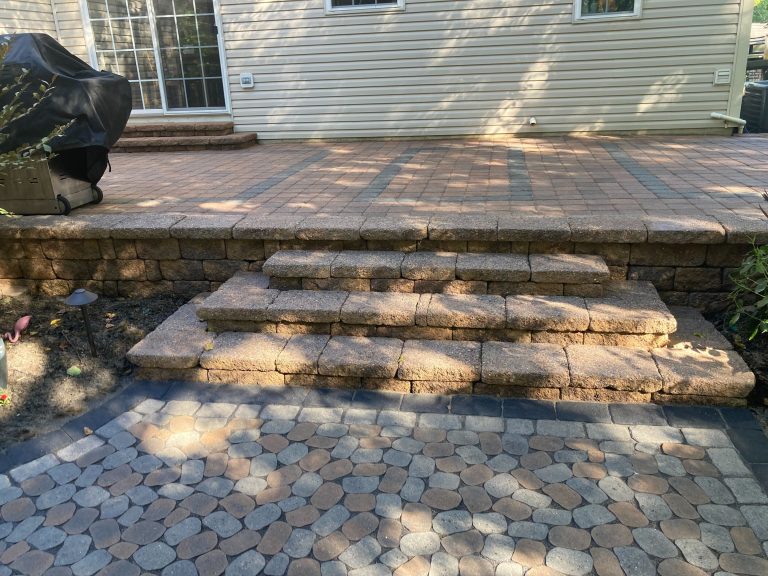
If you’ve recently installed a patio, driveway, or pool deck, you might be wondering, should you seal pavers?
Some say it’s essential for protecting your investment, while others claim it’s unnecessary.
The truth?
In most cases, sealing pavers is worth it, but it depends on your climate, paver type, and how you use your space.
This guide breaks down everything you need to know before sealing, including the pros, cons, best sealer types, and when sealing might not be the right choice for your home.
Why Homeowners Ask: “Do Pavers Really Need to Be Sealed?”
Pavers are naturally porous, meaning they absorb moisture, oil, and dirt over time.
Without protection, this can lead to fading, stains, weed growth, and even cracking during freeze-thaw cycles.
In Southeastern Pennsylvania, paver sealing is especially valuable because of the region’s temperature swings, winter salts, and heavy rainfall.
A proper sealant helps block moisture, preserve color, and keep your hardscape looking new for years.
The Pros of Sealing Pavers
Sealing offers multiple benefits that go beyond surface appearance:
- Enhanced color and shine: Sealers bring out the natural tones in stone or concrete for a “wet look” finish.
- Moisture and stain resistance: Keeps oil, grease, food, and rust from penetrating the surface.
- Weed and moss prevention: Stabilizes joint sand to block unwanted growth.
- UV and fade protection: Maintains color vibrancy in sunny areas.
- Improved durability: Reduces surface erosion and cracking from freeze-thaw cycles.
- Easier maintenance: Sealed pavers resist grime buildup, making paver cleaning faster and less frequent.
For homeowners who care about curb appeal and long-term protection, sealing pavers is a solid investment.
The Cons of Sealing Pavers
While sealing provides strong protection, there are a few trade-offs to consider:
- Regular maintenance required: Most sealers last 3–5 years before reapplication.
- Surface haze risk: Over-application or sealing when damp can cause a cloudy appearance.
- Reduced permeability: Some film-forming sealers limit water drainage, important for permeable paver systems.
- Not all pavers need it: Certain natural stones or shaded, low-traffic areas may not benefit much.
- DIY challenges: Applying sealer evenly and at the right moisture level takes experience, professional sealing avoids these pitfalls.
Sealing isn’t a “set it and forget it” process, but when done correctly, it extends the life and beauty of your pavers.
When You Should Not Seal Pavers
There are a few cases where sealing isn’t ideal or may require a specialized approach:
- Permeable paver systems: These rely on drainage between joints. Film-forming sealers can block that function.
- Heavily shaded or covered patios: Limited sun exposure means lower UV damage, sealing may add little benefit.
- Recently installed pavers (under 30 days): New installations need time for moisture and efflorescence to escape before sealing.
- Already sealed or coated surfaces: Applying new sealer on top of old without stripping can cause bubbling or haze.
If you’re unsure, it’s best to have a professional evaluate your surface before sealing.
Should You Seal Pavers in Southeastern Pennsylvania?
Because of Pennsylvania’s freeze-thaw winters, frequent rain, and use of de-icing salts, most homeowners benefit from sealing their pavers.
Here’s a quick decision guide:
| Condition | Recommendation |
| Freeze-thaw winters, heavy rain | Yes – prevents cracking and salt damage |
| High-traffic driveways | Yes – protects from oil stains and abrasion |
| Pool decks / patios in shade | Maybe – use a breathable, non-slip sealer |
| Permeable or natural stone systems | Caution – use penetrating, non-film sealer |
| New installations (<30 days old) | Wait – allow efflorescence to clear first |
If you live in Southeastern PA, sealing your pavers is one of the best ways to protect against our region’s moisture, salt, and seasonal changes.
Types of Paver Sealers
Choosing the right sealer matters just as much as deciding whether to seal.
Each type has its own pros and cons:
| Sealer Type | Pros | Cons | Best For |
| Penetrating (non-film) | Breathable, natural look, prevents efflorescence | May need reapplication sooner | Permeable or natural stone pavers |
| Film-forming (acrylic/polyurethane) | Glossy “wet look,” strong surface barrier | Can trap moisture, cause slipperiness | Driveways and patios with high traffic |
| Water-based | Low VOC, eco-friendly, easier cleanup | Slightly shorter lifespan | Residential patios and pool areas |
| Solvent-based | Deep color enhancement, durable finish | Higher VOCs, strong odor | Commercial or exposed outdoor areas |
Your contractor can recommend the best match based on your surface type, drainage, and aesthetic goals.
When and How Often to Seal Pavers
Let’s take a look at how often your pavers should be sealed:
- Wait 30–60 days after installation before sealing to let moisture and efflorescence escape.
- Seal during dry weather (50–80°F) to prevent trapping moisture.
- Reseal every 3–5 years, depending on sun exposure, wear, and traffic.
- Quick test: Sprinkle water on your pavers. If it absorbs instead of beading, it’s time to reseal.
Regular maintenance keeps your surface looking clean, vibrant, and protected from the elements.
How to Seal Pavers (Step-by-Step)
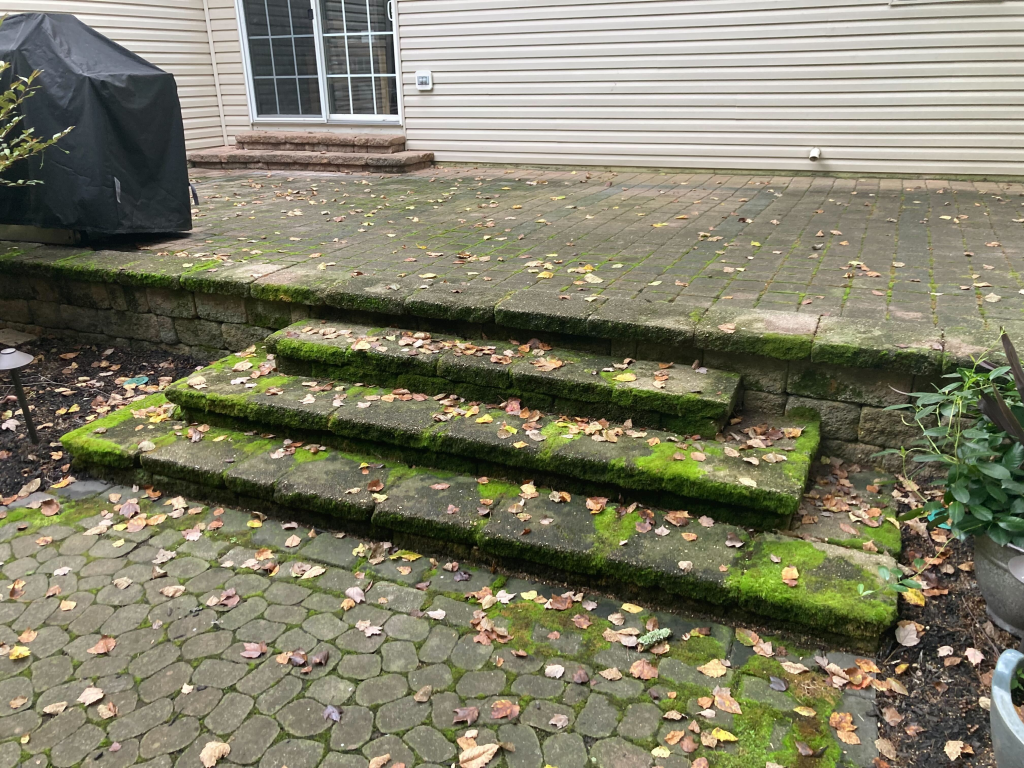
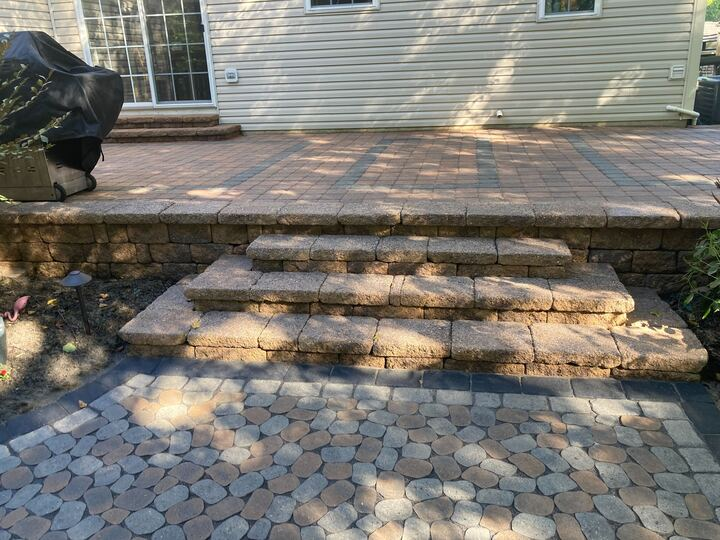
- Clean Pavers thoroughly: Remove stains, dirt, weeds, and efflorescence. At Clean My Pavers, we can ensure your pavers are more then clean enough for sealing to take. See some before and after pictures below.
- Reapply joint sand: Fill any missing gaps between pavers.
- Allow full drying time: Moisture is the main cause of sealer haze or failure.
- Apply sealer evenly: Use a professional sprayer or roller in thin, consistent layers.
- Cure properly: Let dry 24–48 hours before foot or vehicle traffic.
Should You DIY or Hire a Professional?
DIY sealing may look simple, but precision matters.
Uneven coverage, trapped moisture, or poor product choice can cause haze, bubbling, or early failure.
At Clean My Pavers, we use professional-grade, breathable sealers designed for Pennsylvania’s freeze-thaw climate.
Our team handles paver cleaning, joint stabilization, and sealing, ensuring lasting protection and a flawless finish.
Hiring professionals means no streaks, no missed spots, and a longer-lasting seal, saving you time and money in the long run.
Key Takeaway: Should You Seal Pavers
So, should you seal pavers?
For most homeowners in Southeastern Pennsylvania, the answer is yes.
Sealing protects your investment, enhances appearance, and shields against weather damage, giving your outdoor space a long, healthy life.
If you want to find out what kind of sealer works best for your home, contact Clean My Pavers for a free quote.
We’ll assess your surface, recommend the right products, and leave your patio or driveway looking refreshed and protected.
FAQs
What are the pros and cons of sealing pavers?
The main advantages of sealing pavers include protection from stains, fading, and moisture, along with enhanced color and easier cleaning. However, sealing also comes with upkeep requirements, most sealers need reapplication every few years, and improper application can cause haze or reduced permeability.
Do outdoor pavers need to be sealed?
Outdoor pavers don’t always need to be sealed, but sealing is highly recommended if you live in an area with freeze-thaw cycles, frequent rain, or heavy traffic. In Southeastern PA, sealing helps prevent water damage, salt corrosion, and weed growth between joints.
Can I seal my pavers myself?
Yes, you can seal pavers yourself, but it requires proper surface prep, the right sealer, and even application. DIY jobs often lead to over-application, streaking, or moisture trapping. Hiring a professional ensures a long-lasting, flawless finish.
Does polymeric sand need to be sealed?
Sealing over polymeric sand isn’t required but is often beneficial. A good sealer locks the sand in place, reducing washout and weed growth while adding extra protection against moisture and staining.
What happens if I don’t seal pavers?
If you skip sealing, pavers will still function but can fade, stain, or crack faster due to water absorption and weather exposure. Over time, unsealed pavers may lose color vibrancy and require more maintenance or early replacement.
How do I seal pavers?
Start by thoroughly cleaning your pavers and letting them dry completely. Refill joint sand, then apply an even coat of sealer using a sprayer or roller. Allow 24–48 hours for drying before walking or driving on the surface.
How often do you seal pavers?
Most pavers should be resealed every 3–5 years, depending on weather conditions and foot or vehicle traffic. You’ll know it’s time when water stops beading on the surface and begins soaking into the pavers.