
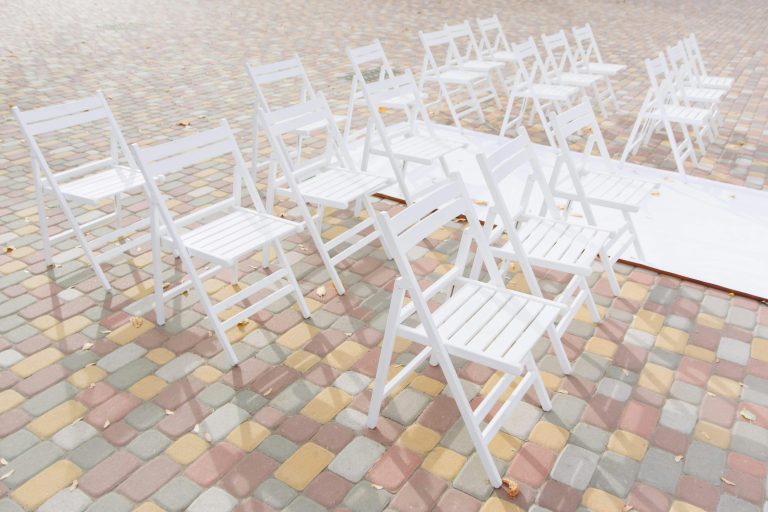
Choosing the best pavers for your patio can feel overwhelming.
With so many materials, concrete, brick, porcelain, natural stone, travertine, it’s hard to know which one actually fits your style, climate, and maintenance preferences.
This guide breaks everything down in simple, practical language so you can choose the right paver material with confidence.
Clean My Pavers serves southeastern PA, where freeze–thaw cycles, shade, moisture, and weed growth are common concerns, so this guide also points out how each material performs in that kind of climate.
Quick Answer: What Are the Best Pavers for a Patio?
Here’s the fast, skimmable version:
- Best overall: Concrete pavers, durable, affordable, versatile
- Best modern look: Porcelain pavers, sleek, strong, low maintenance
- Best for low maintenance: Porcelain or sealed concrete
- Best classic style: Brick pavers
- Best high-end look: Natural stone
- Best for hot patios: Travertine or porcelain
- Best for freeze-thaw climates: Concrete, brick, or porcelain
- Best budget-friendly option: Concrete
These recommendations come from durability, real-world performance, and homeowner habits, not just aesthetics.
Concrete Pavers: Best All-Around Choice
Concrete pavers remain the most popular patio material for a reason.
Why homeowners choose concrete:
- Excellent durability
- Works well in freeze–thaw climates
- Any shape, color, or texture you want
- Easy to replace individual pieces
- Affordable compared to stone or porcelain
Concrete can fade over time, so sealing helps protect color and prevent stains.
Brick Pavers: Best for Timeless, Classic Style
Brick pavers offer a warm, traditional look that fits historic homes and classic patio designs.
Pros of brick:
- Color runs through the whole brick (not surface-only)
- Great slip resistance
- Long lifespan
- Ideal for walkways and formal patios
Brick costs more than concrete and has fewer color choices, but it’s unmatched in classic charm.
Porcelain Pavers: Best for Low Maintenance & Modern Design
If you want a sleek, modern patio without the upkeep, porcelain is one of the best options.
Why porcelain stands out:
- Almost zero maintenance
- Doesn’t stain easily
- Won’t fade in sunlight
- Extremely strong and dense
- Handles freeze–thaw climates well
- Stays cooler than many other materials
Porcelain costs more upfront and requires careful installation, but it gives you a “set it and forget it” patio for years.
Natural Stone Pavers: Best for a High-End Look
Stone pavers, like bluestone, slate, flagstone, granite, and travertine, bring natural beauty and character to any patio.
Benefits of natural stone:
- One-of-a-kind patterns and color variation
- Excellent long-term durability
- Works in modern or rustic designs
Not all stones behave the same in different climates, so choose wisely.
For example:
- Bluestone handles freeze, thaw very well
- Travertine is great in heat
- Slate can be slippery if too smooth
Most stones benefit from sealing to prevent staining and color fade.
Travertine Pavers: Best for Hot, Sunny Patios
Travertine has become a go-to material for pool areas and bright, sun-filled patios.
Why people love travertine:
- Stays cooler under bare feet
- Naturally slip-resistant
- Light, airy color tones
- Beautiful for outdoor living spaces
Travertine handles heat well but may need sealing in freeze–thaw zones.
Comparison Table: Patio Paver Materials
| Material | Durability | Maintenance | Slip Resistance | Heat Performance | Best For |
| Concrete | Excellent | Moderate | Good | Moderate | Most patios |
| Brick | Excellent | Low–Moderate | Excellent | Good | Classic designs |
| Porcelain | Exceptional | Very Low | Good | Excellent | Modern patios |
| Natural Stone | Excellent | Moderate | Varies | Good | Luxury patios |
| Travertine | Very Good | Moderate | Very Good | Excellent | Hot climates, pool areas |
Comparison Table: Best Pavers by Use Case
| Use Case | Best Material | Why |
| Low maintenance patios | Porcelain | Stain-proof & fade-resistant |
| Budget-friendly patios | Concrete | Affordable with many styles |
| Freezing climates | Concrete, brick, porcelain | Handles expansion/contraction |
| Hot, sunny patios | Travertine or porcelain | Stays cool underfoot |
| Pool areas | Travertine | Excellent slip resistance |
| High-end luxury patios | Natural stone | Unique patterns & texture |
| Modern design | Porcelain or smooth concrete | Clean, sleek profiles |
| Shaded/moist areas | Textured concrete or stone | Better slip resistance |
Paver Thickness: What You Need to Know
Paver thickness affects stability, longevity, and how well your patio handles foot traffic.
- Standard patio thickness: 2–2.75 inches
- Heavier-use areas: choose 2.75–3 inches
- Driveways: 3+ inches
Choosing a thinner paver may save money upfront but leads to shifting, cracking, and unevenness, especially in freeze–thaw regions like southeastern PA.
How to Choose the Best Patio Pavers (Simple 5-Step Guide)
Let’s take a look at some factors to think about when choosing your patio pavers:
1. Know Your Climate
- Cold winters: concrete, brick, porcelain
- Hot summers: travertine, porcelain
- Shaded/wet yards: textured surfaces for traction
2. Decide How Much Maintenance You Want
- Want low maintenance? Porcelain.
- Don’t mind sealing pavers? Concrete or natural stone.
3. Set Your Budget
Concrete is the most cost-effective.
Stone and porcelain sit on the premium end.
4. Choose Your Style
- Modern: porcelain or smooth concrete
- Rustic: natural stone
- Traditional: brick
5. Think About Long-Term Performance
All paver types can last decades, but sealing and regular maintenance extend their life dramatically.
What to Avoid When Choosing Patio Pavers
These mistakes cause most patio problems:
Avoid choosing the wrong material for your climate
Some stones absorb moisture and crack in cold climates.
Avoid skipping sealing when it’s required
Concrete and many stones fade or stain without protection.
Avoid choosing overly smooth pavers in shady or wet areas
Slippery surfaces can be a safety issue.
Avoid ignoring drainage
Improper slope leads to pooling, sinking, and weed growth.
Avoid thin, low-quality pavers
They shift, wobble, and deteriorate faster.
Maintenance Matters More Than Most People Expect
Even the best patio pavers need some care over time.
Dirt, moss, weeds, and shifting sand can change the look and stability of your patio.
The most common issues include:
- Fading
- Stains
- Loose pavers
- Joint erosion
- Weed growth
- Efflorescence
If you’re in southeastern PA, Clean My Pavers can help with:
- Paver cleaning
- Joint re-sanding
- Paver repair
- Sealing
- Color enhancement
- Moss & weed removal
Regular maintenance makes your patio last longer and look better.
Final Thoughts: Best Pavers For Patio
There’s no one “perfect” paver for every patio.
Concrete works for most homeowners because of its balance of cost and durability.
Porcelain is ideal for low maintenance and modern style.
Brick brings timeless beauty.
Natural stone delivers unmatched character.
Travertine excels in heat and sunshine.
Choose based on your climate, style, maintenance preferences, and long-term plans.
And if your patio ever needs paver cleaning, repair, sealing, or joint re-sanding, Clean My Pavers is here to help homeowners throughout southeastern PA.
FAQs: Best Pavers For Patio
What are the best pavers for low maintenance?
Porcelain pavers are the best low-maintenance option because they resist stains, fading, and moisture. Sealed concrete also performs well with minimal upkeep.
What type of pavers last the longest?
Brick, porcelain, and natural stone offer the longest lifespan, often lasting several decades. Concrete also lasts a long time when properly installed and maintained.
Which is better, smooth or textured pavers?
Smooth pavers look sleek but can become slippery in wet or shaded areas. Textured pavers offer better traction and are usually the safer choice for patios exposed to moisture.
Should pavers be sealed?
Most pavers benefit from sealing because it protects color, reduces staining, and helps prevent weed growth. Porcelain is one of the few materials that usually doesn’t require it.
How often should you seal pavers?
Most concrete, brick, and natural stone patios should be sealed every two to three years, depending on sun exposure, foot traffic, and weather conditions.
How long do pavers last?
Quality pavers can last 30 to 50 years or more with good installation and routine maintenance. Sealing and proper joint sand help extend their lifespan even further.
How do you fix sunken pavers?
Sunken pavers are repaired by lifting the affected pieces, leveling or adding base material, reinstalling the pavers, and reapplying joint sand. In southeastern PA, Clean My Pavers can handle paver repair and re-leveling to restore a smooth, even patio surface.