
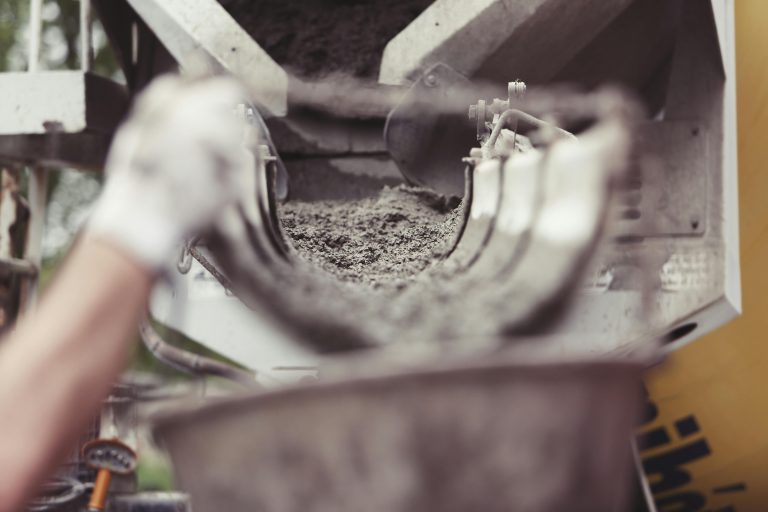
If you’ve recently poured concrete, or you’re planning to, you’re probably asking how long to wait before sealing concrete.
Timing matters more than most people realize.
Seal too early, and you risk trapping moisture.
Wait too long, and the surface can stain or wear down faster than it should.
Most concrete should cure for about 28 days before sealing.
However, weather, moisture levels, and the type of concrete can change the exact timing.
Let’s break it down so you know exactly when concrete sealing is safe, and when it’s not.
How Long After Pouring Concrete Can You Seal It?
In most cases, you can seal concrete about 28 days after it’s poured.
This allows the concrete to fully cure, not just dry on the surface.
Concrete hardens through a chemical process called curing.
During this time, moisture needs to escape gradually.
If you apply a sealer too soon, that moisture becomes trapped beneath the surface.
That’s why understanding how long after pouring concrete can you seal it is critical for long-term durability and appearance.
When Can You Seal New Concrete Safely?
The right time to seal isn’t based on the calendar alone.
It depends on whether the concrete has released excess moisture.
You may be able to seal new concrete sooner if:
- Weather conditions are warm and dry
- The slab is thinner and well ventilated
- Moisture testing confirms the surface is ready
You may need to wait longer if:
- Conditions are cool or humid
- The concrete is thicker or shaded
- The slab retains moisture below the surface
So, when can you seal new concrete?
When it has fully cured and moisture levels are low enough to accept a sealer properly.
How Long to Wait to Seal Concrete in Real-World Conditions
Here’s a practical guideline most homeowners can follow:
- Standard poured concrete: about 28 days
- Decorative or stamped concrete: 21–28 days
- Cool or humid weather: 28 days or longer
- Hot, dry conditions: sometimes slightly less, but only with testing
In areas like Southeastern Pennsylvania, where humidity and seasonal temperature changes can slow curing, waiting the full recommended time is especially important.
What Happens If You Seal Concrete Too Soon?
Sealing concrete before it’s ready can cause problems that aren’t always visible right away.
Common issues include:
- White or cloudy discoloration
- Bubbling, peeling, or flaking sealer
- Uneven finish or weak surface protection
Once moisture is trapped, fixing the problem often means removing the sealer and starting over, something most homeowners want to avoid.
What If You Wait Too Long to Seal Concrete?
Waiting too long isn’t ideal either, especially for outdoor surfaces.
Unsealed concrete can:
- Absorb oil, dirt, and organic stains
- Be more vulnerable to moisture-related damage
- Show surface wear sooner than expected
This is why knowing how long to wait before sealing concrete is about finding the right window, not rushing, but not delaying indefinitely.
How to Tell If Concrete Is Ready to Be Sealed
Instead of guessing, professionals rely on moisture testing.
One simple at-home method is the plastic sheet test:
- Tape a small piece of plastic tightly to the concrete
- Leave it in place for 24 hours
- Check for condensation underneath
If moisture appears, the concrete needs more curing time.
If the surface stays dry, sealing may be safe.
This step is especially helpful in climates where humidity can slow moisture evaporation.
Why Professional Concrete Sealing Matters
Knowing how long to wait to seal concrete is only part of the process.
Surface preparation, moisture levels, and sealer selection all affect the final result.
Professional concrete sealing helps prevent issues like trapped moisture, uneven coverage, and premature sealer failure, particularly for driveways, patios, and walkways exposed to the elements.
Final Takeaway: How Long to Wait Before Sealing Concrete
So, how long should you wait before sealing concrete?
For most projects, plan on about 28 days, then confirm the surface is fully cured and dry before sealing.
Waiting for the right moment protects your concrete, improves durability, and keeps it looking clean and finished for years.
FAQs: How Long to Wait Before Sealing Concrete
What happens if concrete is sealed too soon?
If concrete is sealed too soon, moisture can become trapped beneath the surface. This often leads to cloudy or white discoloration, bubbling or peeling of the sealer, and reduced protection. In many cases, the sealer must be removed and reapplied once the concrete has fully cured.
How long to leave concrete to dry before sealing?
Most concrete should be allowed to cure for about 28 days before sealing. While the surface may feel dry sooner, internal moisture needs time to escape. Drying time can vary based on weather, humidity, and concrete thickness.
Can you seal concrete in the fall?
Yes, concrete can be sealed in the fall as long as temperatures remain above the minimum recommended for the sealer and there is no risk of freezing during curing. Lower humidity and mild temperatures can actually be ideal, but timing around weather changes is important.
Can you seal concrete in the spring?
Spring is a common time to seal concrete, but moisture levels should be checked carefully. Rain and fluctuating temperatures can slow curing, so it’s important to confirm the concrete is fully dry before applying a sealer.
What is the life expectancy of concrete sealer?
Most concrete sealers last between 2 and 5 years, depending on the type of sealer used, surface traffic, and exposure to weather. High-traffic areas or driveways may require more frequent resealing.
What are the pros and cons of sealing a concrete driveway?
Sealing a concrete driveway helps protect against stains, moisture damage, and surface wear, while also improving appearance. The main drawbacks are the upfront cost and the need for periodic reapplication, especially in areas with heavy use or harsh weather.
How do you seal concrete?
Sealing concrete involves cleaning the concrete surface thoroughly, allowing it to dry completely, and then applying a concrete sealer evenly using a roller or sprayer. Proper curing time after application is also important to ensure the sealer bonds correctly.
How often does concrete need to be sealed?
Most concrete surfaces should be resealed every 2 to 3 years, though high-traffic or exposed areas may need sealing more frequently. Regular inspection helps determine when reapplication is necessary.