
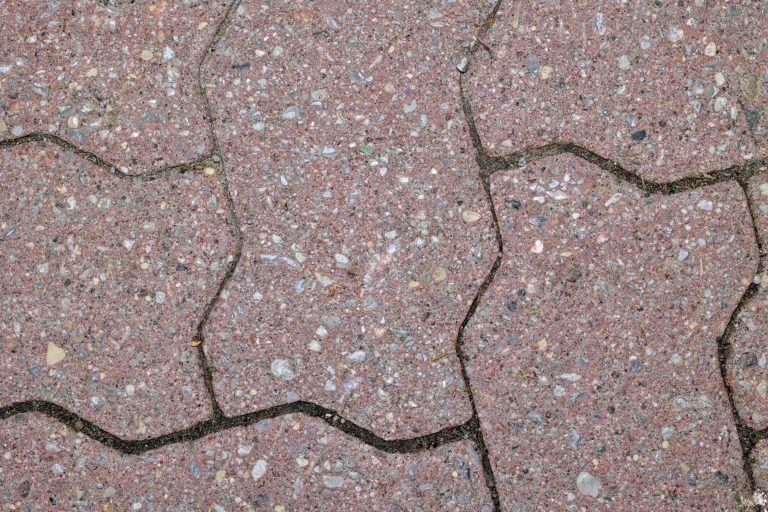
Oil stains on pavers are frustrating.
Whether it’s a drip from your car, grease from the grill, or cooking oil near an outdoor kitchen, oil tends to soak in fast.
Once it does, it can feel like the stain is permanent.
The good news?
Most oil stains on pavers can be removed or significantly lightened with the right approach.
The key is knowing how old the stain is, what type of pavers you have, and which method works best for your situation.
This guide walks you through exactly how to get oil out of pavers without damaging them.
Quick Answer: What Works Best for Oil Stains on Pavers
- Fresh oil stains: Absorb the oil first, then use a degreasing cleaner or dish soap.
- Old or set-in oil stains: A poultice or repeated degreasing is usually required.
- Pressure washing alone: Rarely removes oil stains and often makes them worse.
- Sealed pavers: Oil stains are much easier to remove than from unsealed pavers.
Most light stains improve after one treatment.
Dark automotive oil stains may take multiple cleanings, but they can usually be faded or removed with persistence.
Why Oil Stains Are So Hard to Remove from Pavers
Concrete and brick pavers are porous.
That means oil doesn’t just sit on the surface, it sinks into tiny pores below the top layer.
Once oil gets trapped there, rinsing with water won’t remove it.
This is why scrubbing alone often fails and why the right method matters.
What You’ll Need Before You Start
For most DIY oil stain removal on pavers, you’ll need:
- Absorbent material (kitty litter, baking soda, or sawdust)
- Dish soap with grease-cutting power
- Warm water
- Stiff-bristle brush (not metal)
- Paper towels or rags
For older or driveway oil stains, you may also need:
- A commercial paver degreaser
- Poultice powder or baking soda mixed with a solvent
- Protective gloves
How to Get Fresh Oil Out of Pavers
If the oil spill just happened, acting quickly makes a big difference.
Step 1: Absorb the Oil
Cover the stain completely with kitty litter, baking soda, or sawdust.
Gently press it into the surface and let it sit for several hours, overnight if possible.
Sweep it up once it has absorbed the oil.
Step 2: Degrease the Area
Apply dish soap directly to the stained area.
Scrub with a stiff brush using warm water.
The soap helps break down the oil so it can be lifted out of the paver pores.
Rinse thoroughly.
Step 3: Repeat if Necessary
Fresh stains often fade significantly after the first attempt, but repeating the process may be needed for full removal.
How to Remove Old or Set-In Oil Stains from Concrete Pavers
Older oil stains require deeper paver cleaning because the oil has settled below the surface.
Option 1: Use a Poultice for Deep Oil Stains
A poultice pulls oil out of the paver instead of spreading it.
- Mix baking soda with acetone or a commercial poultice cleaner to form a thick paste.
- Spread it over the stain about ¼ inch thick.
- Cover loosely with plastic and allow it to dry completely.
- Scrape off the residue and rinse.
This method often needs more than one application for dark or automotive oil stains.
Option 2: Apply a Commercial Paver Degreaser
Choose a cleaner designed specifically for oil stain removal on pavers or concrete.
Follow the manufacturer’s instructions closely and don’t allow the product to dry on the surface.
DIY Oil Stain Removal Methods (And When to Use Each)
Let’s take a look at a few DIY oil stain removal methods you can try:
- Dish soap: Best for fresh oil and light grease stains
- Kitty litter: Good for absorbing spills, not removing discoloration
- Baking soda: Useful for mild stains or as a poultice base
- Degreasers: Best for old driveway oil stains and repeated spills
Matching the method to the stain is what produces results.
What Not to Use on Pavers
Some common paver cleaning mistakes can permanently damage pavers or make oil stains worse:
- Pressure washing alone: Pushes oil deeper into the paver
- Bleach: Does not break down oil and can discolor pavers
- Wire brushes: Can scratch and damage the surface
- Harsh acids: May etch or weaken the pavers
Why Oil Stains Sometimes Come Back After Cleaning
Even if an oil stain looks gone, oil can remain deep below the surface.
Heat from the sun can draw it back up weeks later, especially on unsealed pavers.
This is common with older driveway oil stains and is one reason sealing pavers after cleaning is recommended.
How to Prevent Oil Stains on Pavers
To avoid future oil stains of pavers you should:
- Place drip mats under parked vehicles
- Clean oil or grease spills immediately
- Avoid letting grill grease sit on patios
- Seal pavers regularly to reduce absorption
Preventing oil from soaking in is far easier than removing it later.
When Professional Paver Cleaning Makes Sense
Professional paver cleaning is often the best option when oil stains are:
- Deep and widespread
- Returning after multiple DIY attempts
- Located in high-visibility areas like driveways or patios
For homeowners in southeastern PA, Clean My Pavers offers professional oil stain removal and paver cleaning designed to restore appearance and help protect against future stains.
Final Thoughts: Can Oil Stains Be Removed from Pavers?
In most cases, yes.
Oil stains can usually be removed or significantly improved, especially when treated early and with the right method.
Older stains take more effort, but they’re rarely a lost cause.
Knowing when to absorb, when to degrease, and when to go deeper makes all the difference.
FAQs: How to Get Oil Out of Pavers
Does oil come out of pavers?
Yes, oil can usually be removed or at least significantly lightened from pavers, especially if it’s treated early. Fresh oil stains are easier to clean, while older stains may require repeated degreasing or a poultice to pull the oil out of the paver’s pores.
What is the best oil remover for pavers?
The best oil remover depends on how old the stain is. For fresh stains, a grease-cutting dish soap or paver-safe degreaser works well. For older or automotive oil stains, a commercial paver degreaser or poultice is usually more effective than household cleaners.
Does WD-40 remove oil stains from pavers?
WD-40 is not recommended for removing oil stains from pavers. While it may loosen some residue, it is petroleum-based and can leave behind additional staining or attract more dirt, making the problem worse over time.
How do you get oil out of block pavers?
To get oil out of block pavers, start by absorbing any surface oil with kitty litter or baking soda. After that, use a degreasing cleaner and scrub with warm water. For deep or older stains, a poultice may be needed to draw oil out from below the surface.
Does vinegar remove oil stains from pavers?
Vinegar is not effective at removing oil stains from pavers. Oil and grease do not break down with acids, and vinegar may discolor or dull the paver surface without actually removing the stain.
Should you seal pavers?
Yes, sealing pavers helps protect them from oil stains by reducing how much liquid they absorb. Sealed pavers are easier to clean, and spills are far less likely to soak in and leave permanent marks.
Can you power wash pavers?
Power washing can help rinse away surface residue, but it usually does not remove oil stains on its own. In some cases, pressure washing can push oil deeper into the pavers if the stain isn’t treated first with an absorber or degreaser.