
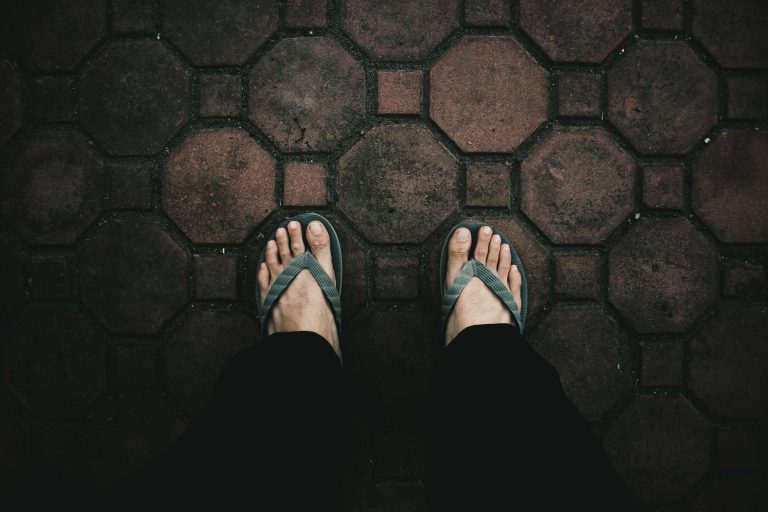
If you’re planning a patio, driveway, walkway, or backyard upgrade, understanding the different types of pavers is the first step.
The main types of pavers include concrete, brick, natural stone, porcelain, rubber, permeable, turf block, and interlocking pavers, each with its own look, durability, and ideal uses.
This guide breaks everything down clearly so you can choose the best option for your home, budget, and long-term maintenance needs.
Clean My Pavers serves homeowners throughout Southeastern PA, so this article also includes insights specific to our regional climate and your likely paver maintenance needs.
Summary: All Types of Pavers at a Glance
- Concrete Pavers: Affordable and highly versatile.
- Brick Pavers: Classic, durable, colorfast.
- Natural Stone Pavers: Premium materials like bluestone, travertine, and slate.
- Porcelain Pavers: Sleek, modern, extremely low maintenance.
- Permeable Pavers: Designed for drainage and eco-friendly landscapes.
- Rubber Pavers: Soft, safe, often used in play areas.
- Turf Block / Grass Pavers: Natural, green, erosion-friendly.
- Interlocking Concrete Pavers: Strong and ideal for driveways.
Material Categories of Pavers
Understanding the material category helps you compare durability, maintenance, and cost.
Man-Made Pavers
- Concrete
- Brick
- Porcelain
- Rubber
- Permeable
- Interlocking
Natural Stone Pavers
- Bluestone
- Travertine
- Flagstone
- Granite
- Slate
- Sandstone
Different Types of Pavers Explained
Below is an in-depth look at each major type of paver, how they perform, and when they’re the best choice.
1. Concrete Pavers
Concrete pavers are molded paving stones made from cement and aggregates.
They’re one of the most popular and budget-friendly choices.
Pros:
- Wide variety of shapes, styles, and colors
- Easy to replace individually
- Holds up well in freeze-thaw climates like Southeastern PA
- Affordable
Cons:
- Can fade without sealing
- Absorbs stains if unprotected
Concrete pavers are best for driveways, patios, walkways, and general outdoor hardscapes.
Concrete is porous.
Paver sealing helps prevent fading, stains, algae growth, and water absorption, especially in damp or shaded areas.
2. Brick Pavers
Brick pavers are made from baked clay, offering a timeless and natural look.
Pros:
- Colorfast
- Long-lasting
- Slip-resistant
- Great for walkways and patios
Cons:
- Limited color range
- Can shift over time without proper base preparation
Brick Pavers are best for patios, front walkways, garden paths, and traditional home designs.
Brick can darken with moss and algae.
Periodic paver cleaning and sealing keep it looking vibrant.
3. Natural Stone Pavers
These pavers are cut from real stone, offering a luxury appearance and unique variation.
Types include:
- Bluestone: Durable, great for patios and walkways
- Travertine: Cooler underfoot, ideal for pool areas
- Flagstone: Natural, irregular shapes
- Granite: Extremely strong and scratch-resistant
- Slate: Rich tones, better in covered areas
- Sandstone: Warm, natural texture
Pros:
- High-end look
- Extremely durable
- Unique patterns and textures
Cons:
- Higher cost
- Some stones require sealing
- Thickness may vary depending on the stone type
It’s best for luxury patios, high-end walkways, pools, and outdoor entertaining spaces.
Harder stones (like granite) need less sealing.
Softer stones (like travertine and sandstone) benefit from regular protection to prevent staining and moisture issues.
4. Porcelain Pavers
These are engineered tiles fired at high temperatures for density and water resistance.
Pros:
- Highly stain-resistant
- Fade-proof
- Slip-resistant finishes available
- Sleek, modern appearance
Cons:
- Higher cost
- Professional installation recommended
It’s best for pool areas, patios, rooftops, and modern design projects.
Porcelain is one of the easiest paver materials to maintain.
It doesn’t absorb water and typically does not require sealing.
5. Permeable Pavers
Permeable pavers are designed to let water pass through the joints, reducing runoff.
Pros:
- Helps prevent puddles and flooding
- Eco-friendly
- Ideal for areas with drainage concerns
Cons:
- Higher installation cost
- Requires a proper drainage base
It’s best for driveways, walkways, and sustainable landscape designs.
Joints may need periodic cleaning to avoid clogging from sediment.
6. Rubber Pavers
Rubber pavers are made from recycled rubber, offering a cushioned and slip-resistant surface.
Pros:
- Soft and shock-absorbent
- Eco-friendly
- Easy to install
Cons:
- Not suitable for driveways
- Can fade in constant sunlight
It’s best for play areas, gyms, garden paths, and patios where comfort is a priority.
7. Turf Block or Grass Pavers
Grass pavers combine open-grid pavers with soil and turf.
Pros:
- Natural, green appearance
- Allows grass to grow through
- Reduces erosion
Cons:
- More upkeep
- Not ideal for heavy traffic
It’s best for occasional parking areas, scenic pathways, eco-friendly designs.
8. Interlocking Concrete Pavers
These pavers are engineered to fit together tightly, creating a strong and durable surface.
Pros:
- Excellent strength
- Ideal for heavy loads
- Easy to replace individually
Cons:
- Requires professional installation
- Less natural appearance
It’s best for driveways, high-traffic walkways, and long-lasting patios.
Comparison Table: Types of Pavers
| Paver Type | Durability | Maintenance Level | Slip Resistance | Best For |
| Concrete | High | Medium | High | Patios, driveways |
| Brick | High | Medium | High | Walkways, patios |
| Natural Stone | Very High | Medium | High | High-end outdoor spaces |
| Porcelain | High | Low | High | Pools, patios |
| Permeable | High | Medium | High | Drainage-heavy areas |
| Rubber | Medium | Low | High | Play areas, paths |
| Turf Block | Medium | Medium | Medium | Green parking, erosion control |
| Interlocking | Very High | Low | High | Driveways, heavy traffic |
Best Pavers for Common Projects
Let’s take a look for the best pavers for different types of projects:
Best pavers for driveways
- Interlocking concrete
- Brick
- Concrete
Best pavers for patios
- Concrete
- Natural stone
- Porcelain
Best pavers for pool decks
- Travertine
- Porcelain
- Concrete (with slip-resistant finish)
Best low-maintenance pavers
- Porcelain
- Granite
- Interlocking concrete
Climate Considerations for Southeastern PA
The freeze-thaw cycles in Southeastern PA mean durability matters.
The best frost-resistant pavers include:
- Concrete
- Brick
- Bluestone
- Granite
- Porcelain
Proper sealing and routine maintenance also help prevent cracking, shifting, and water damage.
Maintenance & Cleaning Insights
Not all pavers age the same, and knowing what to expect helps prolong their lifespan.
Easiest to clean
- Porcelain
- Granite
- Sealed concrete
Most prone to stains
- Unsealed concrete
- Brick
- Softer natural stones
Most resistant to moss/algae
- Porcelain
- Sealed surfaces
- Dense stones like granite
Longest color retention
- Brick
- Porcelain
- Granite
How Clean My Pavers Can Help With Paver Maintenance
Clean My Pavers restores and protects every type of paver.
Whether you need stain removal, paver restoration, joint sand replacement, weed removal, paver sealing, or full paver repair, professional care can dramatically extend the life and look of your outdoor space.
Homeowners in Southeastern PA rely on Clean My Pavers for long-lasting results, safer surfaces, and pavers that look like new again.
FAQs: Types of Pavers
What are the different types of pavers?
The main types of pavers include concrete, brick, natural stone, porcelain, permeable pavers, rubber pavers, turf block, and interlocking concrete pavers. Each option offers different benefits depending on your style preferences, durability needs, and maintenance goals.
Which pavers are the best?
The best pavers depend on your project. Concrete and interlocking pavers are great for driveways, natural stone and porcelain work well for patios, and permeable pavers are ideal for drainage. “Best” comes down to budget, appearance, and how much upkeep you’re willing to do.
What type of pavers last the longest?
Natural stone pavers like granite, bluestone, and travertine have the longest lifespan, often lasting decades with proper care. Interlocking concrete pavers also offer exceptional longevity for high-traffic areas.
What are the best pavers for low maintenance?
Porcelain pavers are the easiest to maintain because they resist stains, moisture, and fading. Interlocking concrete pavers and dense natural stones like granite also require minimal upkeep, especially when sealed.
How often do you need to seal pavers?
Most pavers should be sealed every two to three years, depending on the material, weather conditions, and how much wear they receive. High-traffic driveways or shaded, moisture-prone areas may need sealing more often.
What are the best pavers for patios?
Concrete, natural stone, and porcelain are among the best options for patios. Concrete offers versatility and affordability, natural stone provides a premium look, and porcelain delivers a sleek, low-maintenance finish.
How to remove stains from pavers?
Stain removal depends on the material and the type of stain, but most can be lifted using professional pressure washing, targeted cleaning solutions, and post-cleaning sealing. Deep stains or algae buildup often require expert cleaning to fully restore the surface.